

Salvadoran immigrants status: What’s the real impact?
Salvadoran immigrants status is under threat, impacting thousands in the D.C. region. This change raises concerns about the future for many families and individuals.
Overview of Immigration Status Changes
Recent changes in immigration policies have raised concerns for thousands of Salvadoran immigrants in the D.C. region. A significant number of these individuals currently rely on Temporary Protected Status (TPS), which allows them to live and work in the United States due to conditions in their home country that prevent safe return. However, ongoing debates about immigration reform have put this status at risk.
The potential impact of these changes could be profound. Many Salvadoran immigrants have built their lives in the U.S., contributing to their communities and the economy. The loss of TPS would not only affect their residency but could also lead to job loss and family separation.
Key factors influencing the current situation include:
- Legal Challenges: Various court rulings are determining the future of TPS and related programs.
- Political Climate: Shifts in congressional leadership may impact immigration policy directions.
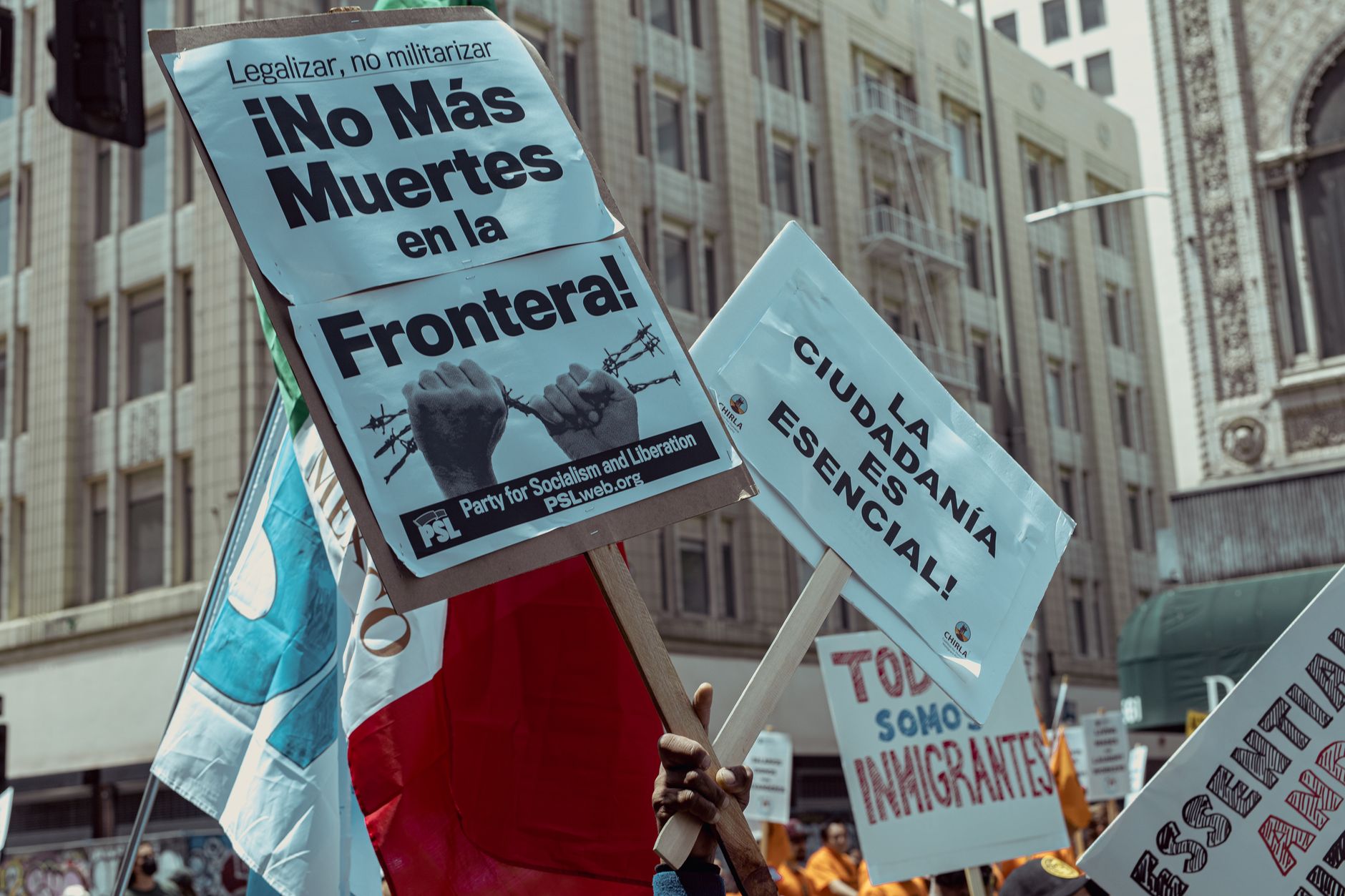
- Community Response: Activists and local organizations are rallying support for Salvadoran immigrants, advocating for their rights.
As the situation evolves, the status of Salvadoran immigrants remains at the forefront of discussions surrounding immigration reform, highlighting the need for compassionate and comprehensive solutions.
Impact on Salvadoran Families in D.C.
The recent changes in immigration status have raised significant concerns among Salvadoran families residing in Washington, D.C. Many of these families have built their lives in the area, contributing to the local economy and culture. However, the uncertainty surrounding their status is causing anxiety and fear.
According to community leaders, the impact of these changes on Salvadoran families is profound. Families are facing potential separation, as some members may be at risk of deportation while others remain protected. This situation creates a climate of instability, affecting not only the emotional well-being of individuals but also the overall dynamics of the family unit.
- Increased Stress: Many Salvadoran immigrants are experiencing heightened levels of stress as they navigate the complexities of their status.
- Employment Concerns: Job security is at risk for those without a stable immigration status, threatening their ability to provide for their families.
- Access to Resources: Changes in status may limit access to essential services such as healthcare and education for children.
Overall, the impact on Salvadoran families in D.C. is significant, and the uncertainty surrounding their immigration status continues to affect their daily lives and future prospects.
Legal Ramifications for Immigrants
The legal ramifications for Salvadoran immigrants status are significant, particularly for those residing in the D.C. region. Recent changes in immigration policy have left many in a precarious situation, facing uncertainty about their future. The potential loss of protected status means that thousands could be subject to deportation or have difficulty obtaining work permits.
Many Salvadoran immigrants have built their lives in the U.S., contributing to the economy and enriching their communities. However, without legal protections, they may struggle to secure stable employment or access essential services. The implications extend beyond individuals, affecting families and local economies.
Furthermore, those who have lived in the U.S. for years now find themselves navigating a complex legal landscape. It is crucial for immigrants to seek legal advice to understand their options. In the face of potential legal challenges, many are left feeling vulnerable and anxious about their status.
Organizations advocating for immigrant rights stress the importance of legislative action to safeguard the status of Salvadoran immigrants. They argue that maintaining protections not only benefits the individuals directly affected but strengthens the fabric of communities across the nation.
- Increased risk of deportation
- Challenges in employment
- Impact on family unity
Community Responses to Status Changes
As the uncertainty surrounding Salvadoran immigrants’ status continues, community responses have varied widely, reflecting both concern and resilience. Many organizations are mobilizing to provide support and resources for those affected by potential changes in immigration policies.
Local advocacy groups are hosting informational sessions to educate Salvadoran immigrants about their rights and the legal avenues available to them. These sessions are critical, as many individuals fear the repercussions of their status changes and may not be aware of their options.
Additionally, community leaders emphasize the importance of solidarity among Salvadoran families. They encourage members to share their experiences and challenges, fostering a sense of unity in the face of adversity. Maria Gonzalez, a community organizer, stated, “We need to stand together. Our strength lies in our shared stories and our commitment to each other.”
Social media platforms have also become a vital tool for fostering community connections. Many Salvadorans are using these platforms to share information, organize community events, and provide emotional support to one another during this tumultuous time.
Overall, the community’s response highlights the resilience of Salvadoran immigrants as they navigate the complexities of their status and advocate for their rights.
Support Resources for Affected Individuals
The recent changes in immigration status for Salvadoran immigrants have raised significant concerns among affected individuals and families. Fortunately, a variety of support resources are available to help navigate these challenging times.
- Legal Aid Organizations: Numerous non-profit organizations offer free or low-cost legal assistance to Salvadoran immigrants. These organizations can provide guidance on immigration status issues and help individuals understand their rights.
- Community Centers: Local community centers often host workshops and informational sessions aimed at educating Salvadoran immigrants about their options. These gatherings can foster a sense of community and provide necessary resources.
- Support Hotlines: Many organizations have established hotlines that individuals can call for immediate assistance. These hotlines are staffed by knowledgeable representatives who can answer questions regarding immigration status and provide referrals to additional services.
- Financial Assistance Programs: Some local charities and non-profits offer financial assistance to families impacted by the changes in immigration status. This support can help cover essential needs such as housing, food, and healthcare.
By leveraging these resources, Salvadoran immigrants can find the support they need to cope with the changing landscape of their immigration status.
Historical Context of Salvadoran Immigration
The history of Salvadoran immigration to the United States is marked by conflict, economic hardship, and a continuous search for better opportunities. During the late 20th century, particularly in the 1980s, a civil war in El Salvador led to a significant influx of Salvadoran immigrants fleeing violence and persecution. Many sought asylum, and the U.S. government granted Temporary Protected Status (TPS) to thousands, allowing them to live and work legally in the country.
Over the years, this status has been a lifeline for many Salvadoran families, providing stability amid ongoing challenges in their home country. However, changes in immigration policy have left many uncertain about their future. The current status of Salvadoran immigrants is precarious, as recent proposals to terminate TPS have raised concerns about the impact on communities, particularly in places like D.C.
As Salvadoran immigrants navigate these changes, they face not only the fear of deportation but also the potential disruption of their lives and livelihoods. The historical context of their immigration is essential to understanding the emotional and legal ramifications of their status. As discussions around immigration reform continue, the situation remains crucial for thousands of Salvadoran immigrants and their families across the nation.
Political Reactions and Advocacy Efforts
The recent changes in Salvadoran immigrants status have sparked a range of political reactions and advocacy efforts across the nation. Lawmakers and community leaders are voicing concerns about the implications for thousands of families in the D.C. region.
In response to the potential threat to Salvadoran immigrants, several advocacy groups have mobilized to raise awareness and push for legislative protections. These organizations emphasize the contributions Salvadoran immigrants have made to the local economy and culture, arguing that their status should not be compromised.
- Public Statements: Political figures have issued statements condemning the changes, highlighting their commitment to protecting immigrant rights.
- Community Outreach: Advocacy groups are organizing town hall meetings to inform affected individuals about their rights and available resources.
- Legislative Proposals: Some lawmakers are working on introducing bills aimed at safeguarding the status of Salvadoran immigrants and ensuring they have pathways to legal residency.
As the debate continues, many advocates stress the importance of solidarity among immigrant communities and urge citizens to engage in discussions around Salvadoran immigrants status. The outcome of these efforts could significantly impact the lives of many families, shaping the future of immigration policy in the region.
Future Outlook for Salvadoran Immigrants
The future outlook for Salvadoran immigrants in the D.C. region is uncertain as recent changes in immigration status continue to unfold. Many families are left grappling with the implications of these changes, which could significantly alter their daily lives and long-term plans.
As the legal landscape shifts, there are several key factors that will influence the status of Salvadoran immigrants:
- Policy Changes: Ongoing debates in Congress regarding immigration reform may offer new pathways for Salvadoran immigrants, but the outcome remains unpredictable.
- Community Support: Local organizations are mobilizing to provide resources and advocacy for affected individuals, ensuring they are informed and supported throughout this tumultuous period.
- Employment Opportunities: The ability of Salvadoran immigrants to secure stable employment is crucial for their integration and stability. Changes in their immigration status could impact their job prospects significantly.
- Family Unity: Many Salvadoran immigrants are concerned about family separation as immigration status evolves, leading to a heightened sense of anxiety within communities.
Ultimately, the future status of Salvadoran immigrants will depend on legislative outcomes and community resilience, shaping the lives of thousands in the region.
The ongoing debate surrounding Salvadoran immigrants status has significant implications for both the individuals affected and the broader community. Understanding the real impact of Salvadoran immigrants status is essential for shaping effective policies that support integration and social cohesion.
Photo by Selvin Esteban on Pexels
Sources
You might also like
Zelda Ocarina of Time Remake: The Best Features Revealed · Oppo Find X10 Pro Max: The Best Smartphone with Proven Features · US Open 2026 results: Clear win for Rybakina over Osaka