

Is the Plasma Engine Design the Best Solution for Air Fuel?
The plasma engine design is revolutionizing fuel sources by using thin air. This innovative technology could change how we think about energy consumption.
What is a Plasma Engine?
The plasma engine design represents a groundbreaking innovation in the realm of propulsion technology. Unlike traditional engines that rely on fossil fuels or complex chemical reactions, a plasma engine utilizes ionized gases to generate thrust. This process involves heating a gas until it becomes plasma, allowing it to be manipulated by magnetic fields for enhanced efficiency.
One of the primary advantages of a plasma engine is its potential to operate using minimal resources, which makes it an environmentally friendly alternative. By drawing energy from the atmosphere, these engines can significantly reduce carbon emissions, aligning with global sustainability goals.
Key features of plasma engine design include:
- High Efficiency: Converts energy more effectively than conventional engines.
- Lightweight Components: Uses advanced materials that reduce overall weight.
- Scalability: Can be adapted for various applications, from small drones to larger aircraft.
- Reduced Fuel Costs: Functions primarily on air, lowering operational expenses.
As research progresses, the plasma engine design may revolutionize the transportation industry, paving the way for cleaner and more sustainable air travel.
How Does the Plasma Engine Design Work?
The plasma engine design operates on the principle of utilizing ionized gases to generate thrust, which sets it apart from traditional combustion engines. This innovative approach harnesses the energy from plasma, a state of matter where gas becomes electrically charged, enabling it to produce significant propulsion with minimal fuel consumption.
In essence, the plasma engine works by:
- Ionization: Air is drawn into the engine and exposed to high-voltage electricity, which ionizes the air molecules and transforms them into plasma.
- Thrust Generation: The energetic plasma is then expelled out of the engine at high speeds, creating thrust according to Newton’s third law of motion.
- Energy Efficiency: Unlike traditional engines that burn fuel, the plasma engine design allows for the use of ambient air, significantly reducing reliance on fossil fuels and lowering emissions.
This technology not only enhances efficiency but also opens up new possibilities for sustainable aviation. By focusing on harnessing the natural elements around us, the plasma engine design could revolutionize the future of air propulsion.
Benefits of the New Plasma Engine Design
The new plasma engine design presents several advantages that could revolutionize the future of air fuel. One of the most significant benefits is its environmental impact. By utilizing thin air as a primary fuel source, the plasma engine significantly reduces harmful emissions compared to traditional combustion engines.
Additionally, the efficiency of the plasma engine design is noteworthy. It is capable of converting air into usable energy with minimal energy loss, leading to improved overall performance. This efficiency can result in lower operational costs for consumers and businesses alike.
Another key benefit is the potential for sustainability. As the plasma engine relies on abundant resources found in the atmosphere, it offers a renewable alternative to fossil fuels. This aspect aligns with global efforts to transition toward cleaner energy solutions.
Moreover, the plasma engine design is compact and lightweight, making it suitable for various applications, from aviation to automotive industries. This adaptability allows for innovative uses across multiple sectors, increasing its appeal.
In summary, the new plasma engine design not only addresses environmental concerns but also promises enhanced efficiency and sustainability, making it a compelling option for the future of air fuel.
Challenges Facing Plasma Engine Technology
The development of plasma engine technology presents several challenges that must be addressed before it can become a mainstream solution for air fuel. One significant hurdle is cost efficiency. The materials and components required for plasma engine design can be expensive, which raises concerns about the overall affordability of the technology.
Another challenge is energy consumption. While plasma engines aim to utilize air as fuel, the energy needed to create and sustain plasma can be considerable. This raises questions about the net energy gain and whether the benefits outweigh the energy costs involved.
Environmental impacts also need careful consideration. Although plasma engines are designed to be cleaner alternatives, the production and disposal of specific materials used in their design may have adverse environmental effects.
Moreover, technical limitations persist, particularly regarding the engine’s efficiency and performance under varying conditions. Engineers are working to enhance the reliability and resilience of plasma engines to ensure they can operate effectively in real-world scenarios.
As researchers continue to innovate, overcoming these challenges will be crucial for the future success of plasma engine technology in the pursuit of sustainable energy solutions.
Future of Air-Fueled Engines
The future of air-fueled engines looks promising, especially with advancements in plasma engine design. As researchers continue to innovate, the potential applications for this technology expand significantly. One of the most exciting prospects is the reduction of dependency on traditional fossil fuels, which could lead to a more sustainable aviation industry.
Experts believe that as the plasma engine design matures, it may revolutionize not only air travel but also various sectors reliant on combustion engines. The ability to harness energy from the surrounding atmosphere presents opportunities for cleaner and more efficient energy solutions.
However, realizing this potential will require overcoming several hurdles, including:
- Technological Development: Continued research and prototype testing are critical.
- Regulatory Approvals: New technologies must meet stringent safety and environmental regulations.
- Public Perception: Educating the public about the benefits of air-fueled engines will be essential.
In conclusion, while the journey toward fully operational plasma engine design for air fuel is still in its infancy, the implications for the future are substantial. If successful, this innovation could lead to a cleaner, more efficient, and sustainable mode of transportation.
Comparing Plasma Engines to Traditional Engines
As the automotive industry continues to explore innovative solutions for sustainable energy, the plasma engine design presents a compelling alternative to traditional combustion engines. One of the most significant differences lies in their operational mechanisms. Traditional engines burn fossil fuels, releasing greenhouse gases and contributing to climate change. In contrast, plasma engines utilize ionized gas, which can be generated using ambient air, making them a cleaner option.
Another key comparison is efficiency. Plasma engines convert energy using electromagnetic fields, potentially achieving higher efficiencies than their conventional counterparts, which often waste energy as heat. Additionally, plasma engines have fewer moving parts, which can lead to reduced maintenance costs over time.
However, traditional engines benefit from a well-established infrastructure and decades of development, making them more reliable and easier to implement broadly. The plasma engine design, while promising, is still in its infancy and faces significant challenges in scaling up for mass production.
Ultimately, the choice between plasma and traditional engines may depend on advancements in technology and the urgency of transitioning to cleaner energy solutions. As research continues, the potential for plasma engines to revolutionize air-fueled transportation remains an exciting prospect.
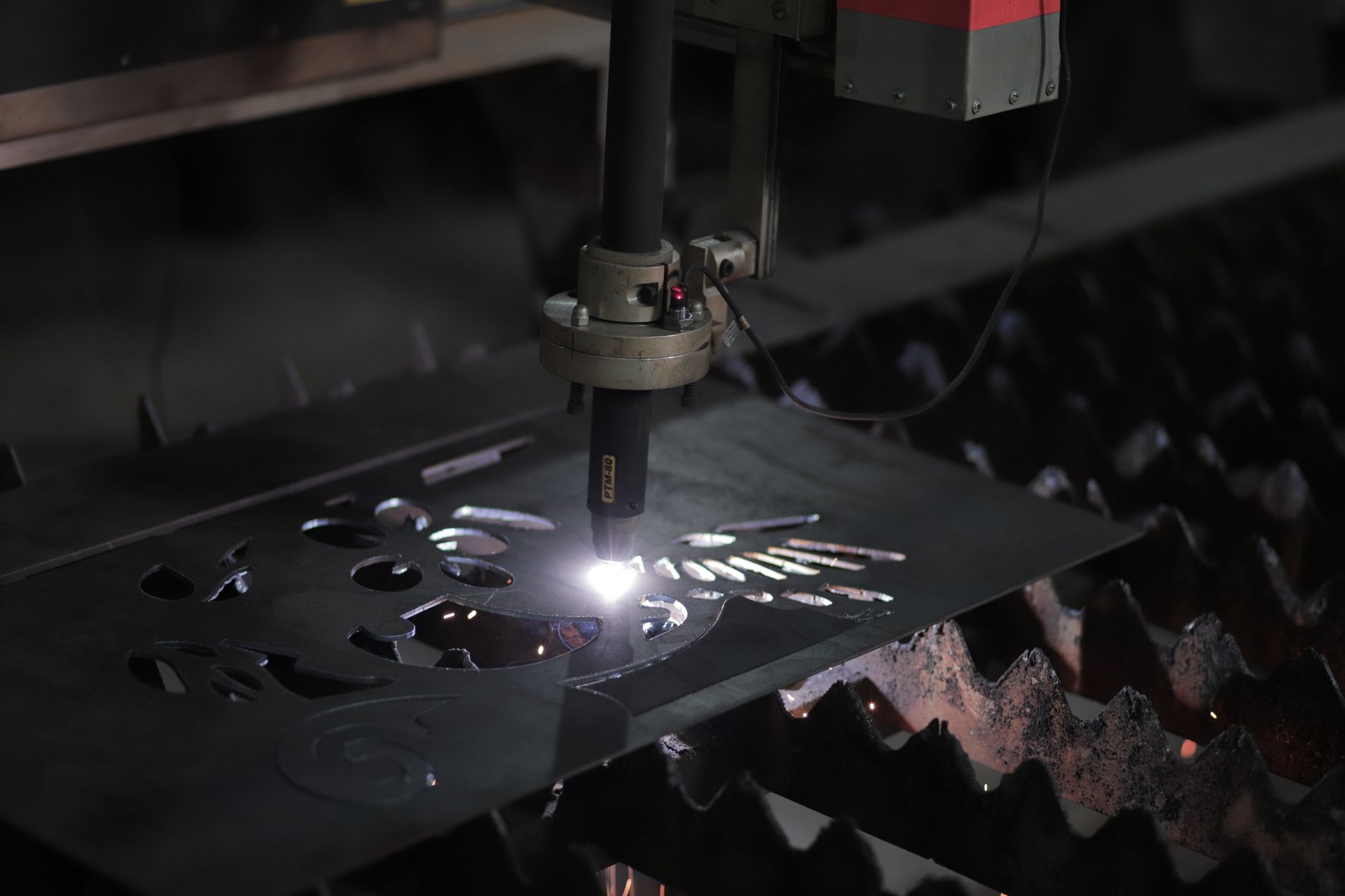
Photo by Ana Victoria Valverde on Pexels