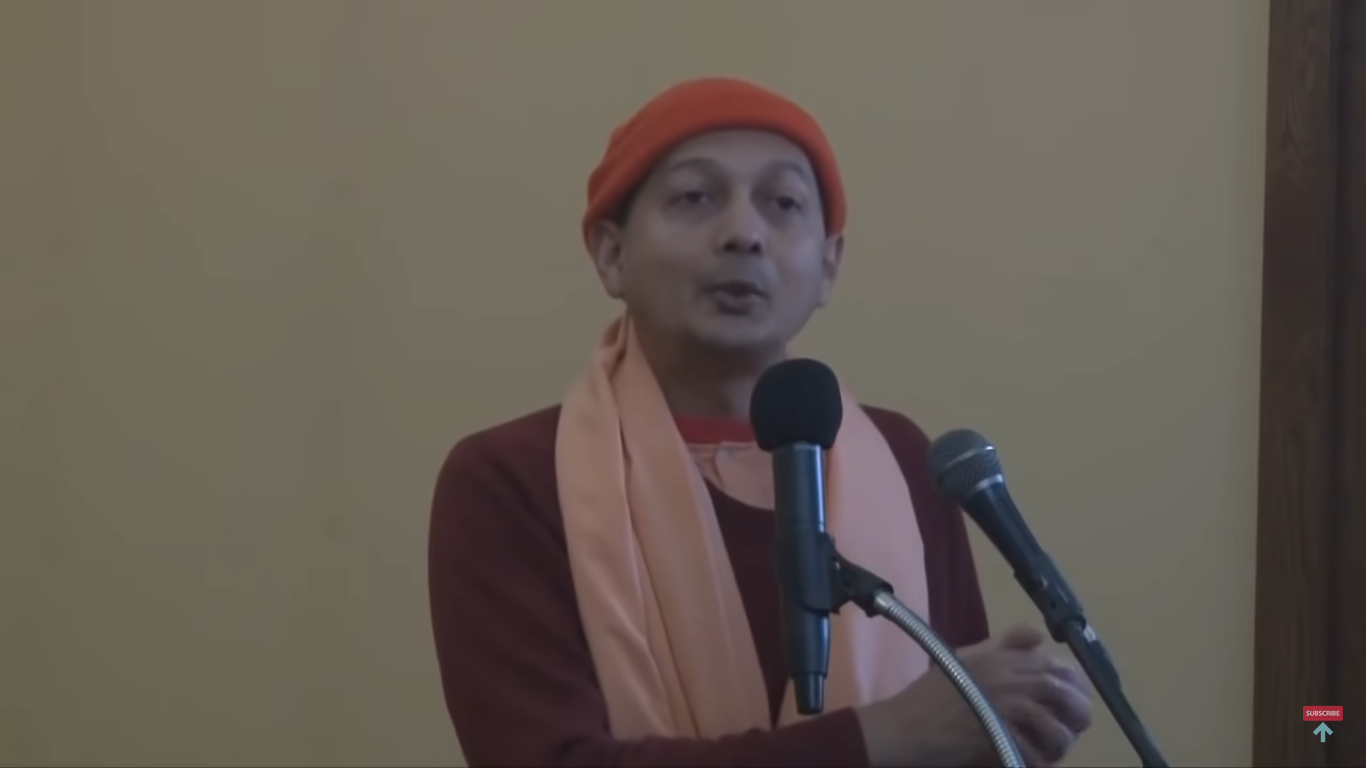
Monk Swami Sarvapriyananda Shares Honest Insights at Summit

Monk Swami Sarvapriyananda discusses his unique experience at the NDTV World Summit, where he shared insights on AI and spirituality.

Overview of the NDTV World Summit

The NDTV World Summit recently featured a compelling discussion with Monk Swami Sarvapriyananda, who shared his honest insights on various topics, including technology and spirituality. The summit, known for bringing together thought leaders and innovators, provided a platform for engaging dialogues that resonate with a global audience.

During the event, Swami Sarvapriyananda captivated attendees with his perspective on the intersection of artificial intelligence and human consciousness. He described his experience during a “spooky” conversation with Claude, an advanced AI system developed by Anthropic. The monk emphasized the importance of understanding the implications of such technologies in our daily lives.

As discussions unfolded, it became clear that the summit aimed not only to explore technological advancements but also to reflect on their ethical dimensions. Swami Sarvapriyananda’s contributions were particularly notable for highlighting the need for mindfulness in our rapidly changing world.

Participants engaged in thought-provoking dialogues, with many expressing admiration for the monk’s ability to bridge the gap between ancient wisdom and modern challenges. The NDTV World Summit successfully created an environment where ideas could flourish, and Swami Sarvapriyananda’s insights were a significant highlight of the event.

Key Highlights from Swami Sarvapriyananda’s Speech

Monk Swami Sarvapriyananda captivated the audience with his profound insights during the NDTV World Summit. His speech touched on various themes, leaving attendees inspired and contemplative. Here are the key highlights from his address:

  • Embracing Uncertainty: Swami Sarvapriyananda emphasized the importance of accepting uncertainty in life, encouraging individuals to find peace amidst chaos.
  • Technology and Spirituality: He discussed the intersection of technology and spirituality, urging a balanced perspective on advancements like AI, referencing his intriguing chat with Claude.
  • Mindfulness Practices: The monk introduced practical mindfulness techniques, advocating for their integration into daily routines to enhance mental clarity and emotional well-being.
  • Community and Connection: Stressing the value of community, he called for fostering deeper connections among individuals to nurture a supportive environment.
  • Personal Growth: Swami Sarvapriyananda encouraged self-reflection and personal growth, urging attendees to embark on their own spiritual journeys.

His insights resonated deeply, reminding everyone that the quest for understanding and balance is a shared human experience, making Monk Swami Sarvapriyananda’s contributions to the summit particularly impactful.

The Role of AI in Modern Spirituality

At the NDTV World Summit, Monk Swami Sarvapriyananda explored the intriguing intersection of artificial intelligence and spirituality, shedding light on how modern technology can influence spiritual practices. He emphasized that AI, while often perceived as a mere tool, can serve as a catalyst for deeper introspection and self-awareness.

Swami Sarvapriyananda pointed out several key aspects of AI’s role in contemporary spirituality:

  • Enhancing Accessibility: AI can make spiritual teachings more accessible to a global audience, breaking down geographical barriers.
  • Facilitating Personal Growth: Personalized AI-driven tools can offer tailored guidance, helping individuals navigate their spiritual journeys more effectively.
  • Encouraging Reflection: AI-generated prompts and insights can encourage users to reflect on their beliefs and values, fostering deeper connections with their spiritual practices.

However, Swami Sarvapriyananda cautioned against over-reliance on technology. He urged individuals to maintain a balance between embracing these advancements and engaging in traditional practices. Ultimately, the monk reminded attendees that while AI has the potential to enrich spirituality, the core of spiritual experience remains rooted in personal connection and inner exploration.

Insights from the Chat with Claude

During the NDTV World Summit, Monk Swami Sarvapriyananda shared his candid observations regarding the evolving relationship between spirituality and technology, particularly in the context of artificial intelligence. He recounted an intriguing conversation with Claude, an AI chatbot developed by Anthropic, which he described as “spooky” yet fascinating.

Swami Sarvapriyananda emphasized the importance of approaching such technologies with a sense of awareness and mindfulness. He stated, “While AI can mimic human conversation, it lacks the depth of understanding and emotional nuance that comes from genuine human interaction.” This remark highlighted the potential risks of relying too heavily on AI for spiritual or emotional guidance.

He also listed several key points from his interaction with Claude:

  • Understanding Limitations: Recognizing that AI can provide information but cannot replace human empathy.
  • Ethical Considerations: The need for ethical frameworks to guide AI development in a way that aligns with human values.
  • Spiritual Tools: Leveraging AI as a tool for research and learning while maintaining personal spiritual practices.

Ultimately, Monk Swami Sarvapriyananda called for a balanced perspective, urging individuals to engage thoughtfully with advancements in technology and to stay grounded in their spiritual journeys.

Audience Reactions to the Discussion

As the session concluded, the audience erupted in applause, clearly moved by the profound insights shared by Monk Swami Sarvapriyananda. Attendees expressed their appreciation for the monk’s candid approach and the relatable wisdom he imparted throughout the discussion.

  • Emotional Resonance: Many participants reported feeling deeply connected to the themes of spirituality and technology that Swami Sarvapriyananda explored. One audience member noted, “His words about balancing tradition and modernity really struck a chord with me.”
  • Engaging Dialogue: The interactive segment of the session allowed attendees to pose questions directly to the monk, fostering an atmosphere of open dialogue. Questions ranged from the implications of AI on spiritual practices to personal reflections on mindfulness.
  • Inspiration to Act: Several listeners voiced that the discussion inspired them to reflect on their own spiritual journeys. “Swami Sarvapriyananda’s insights made me reconsider how I can incorporate these teachings into my daily life,” shared another attendee.

The overall sentiment was one of gratitude and enlightenment, with many expressing a desire to delve deeper into the subjects raised by the monk, ensuring that the essence of his message continues to resonate long after the summit.

Future of AI and Spirituality

During the NDTV World Summit, Monk Swami Sarvapriyananda delved into the intriguing intersection of artificial intelligence and spirituality, offering thought-provoking insights on what the future may hold. He emphasized that as technology advances, it is crucial for humanity to remain grounded in spiritual principles.

Swami Sarvapriyananda pointed out that AI has the potential to enhance spiritual practices by providing tools for meditation, mindfulness, and self-reflection. However, he cautioned that reliance on technology should not overshadow the importance of personal spiritual experiences. In his view, the essence of spirituality lies in direct, unmediated experiences of the divine.

He also discussed the ethical implications of AI, urging developers to consider the moral dimensions of their creations. Swami Sarvapriyananda remarked, “The future of AI should not just be about efficiency and innovation but also about fostering compassion and understanding.”

As the conversation evolved, he encouraged attendees to find a balance between embracing technological advancements and nurturing their spiritual lives. In this way, the future of AI and spirituality could harmoniously coexist, enriching human experiences while deepening connections with the self and the universe.

Conclusion and Takeaways

In conclusion, the NDTV World Summit provided a unique platform for Monk Swami Sarvapriyananda to share his profound insights on spirituality and technology. His discussion highlighted the intricate relationship between artificial intelligence and modern spiritual practices, offering attendees a fresh perspective on navigating this evolving landscape.

Key takeaways from Swami Sarvapriyananda’s presentation include:

  • The Importance of Balance: Emphasizing the need for harmony between technological advancement and spiritual growth.
  • Mindfulness in Technology: Advocating for a mindful approach to AI, ensuring it serves humanity’s higher purpose.
  • Community Engagement: Encouraging individuals to engage in dialogues about the ethical implications of AI in society.
  • Personal Reflection: Urging attendees to reflect on their own relationship with technology and spirituality.

As the conversation around AI and spirituality continues to evolve, Monk Swami Sarvapriyananda’s insights serve as a guiding light, reminding us that technology should enhance, rather than hinder, our spiritual journeys. His candid remarks during the summit will undoubtedly resonate with many as they seek to navigate their paths in an increasingly complex world.

Monk Swami Sarvapriyananda captivated the audience with his profound wisdom and practical advice during the summit. Attendees left inspired by the honest insights shared by Monk Swami Sarvapriyananda, eager to apply his teachings in their own lives.

By Subhobrata Chakravorti via Openverse

Sources

NDTV

Related stories

India Jobs Challenge: The Worst Employment Crisis Explained · Meta nonvoting shares: The smart move for AI funding · Photoshop competitor: The Worst New Tool You Didn’t Expect

Trump AI superintelligence: The Right Path to Progress

Trump AI superintelligence is a term gaining traction as former President Trump pushes for a rebranding of artificial intelligence. This move has sparked widespread discussion about the potential impact of AI on society.

Understanding Trump’s Vision for AI

Former President Donald Trump has recently articulated a bold vision for the future of artificial intelligence, dubbing it “superintelligence” and emphasizing its potential impact on society. He asserts that this advancement could be “far bigger than the internet,” indicating his belief in its transformative power. Trump’s remarks suggest that he sees AI as a critical component for driving innovation, economic growth, and national competitiveness.

In his view, embracing AI superintelligence is not merely an option but a necessity for the United States to maintain its leadership on the global stage. He envisions a future where:

  • Technological Innovation: Superintelligence could lead to breakthroughs in various fields, including healthcare and education.
  • Economic Growth: The integration of AI into industries could create new jobs and boost productivity.
  • National Security: Advancements in AI could enhance defense capabilities and safeguard the nation.

Trump’s focus on AI superintelligence highlights a broader conversation about the ethical implications and regulatory frameworks needed to guide its development responsibly. As the world watches, his vision may influence the direction of AI policy in the coming years.

The Significance of Renaming AI

The recent push by former President Donald Trump to rename artificial intelligence (AI) as “superintelligence” has sparked significant discussions within the tech community and beyond. This strategic rebranding aims to emphasize the transformative potential of AI and its implications for society.

By using the term “superintelligence,” Trump seeks to convey a sense of urgency and importance surrounding the technology. This term not only highlights the advanced capabilities of AI but also positions it as a groundbreaking force, comparable to the impact of the internet. The significance of this renaming lies in its ability to shift public perception and encourage investment in AI research and development.

Furthermore, the renaming initiative reflects a broader vision for the future of technology. Some key points include:

  • Enhanced Awareness: The term “superintelligence” evokes curiosity and concern, prompting discussions about ethical considerations.
  • Policy Focus: A new name may lead to more robust regulatory frameworks to ensure responsible AI development.
  • Global Leadership: Emphasizing superintelligence could position the United States as a leader in the global AI landscape.

Ultimately, the concept of Trump AI superintelligence represents a pivotal step toward harnessing the full potential of this technology for progress.

Comparing AI and Superintelligence

The debate surrounding artificial intelligence and its potential trajectory has intensified, especially with Donald Trump’s recent push for renaming AI as “superintelligence.” This rebranding reflects a broader vision of technology that goes beyond conventional definitions.

In comparing AI and superintelligence, several key differences emerge:

  • Capability: AI systems are designed to perform specific tasks, whereas superintelligence refers to a theoretical entity that surpasses human cognitive abilities across all domains.
  • Impact: While AI can enhance productivity and efficiency, superintelligence holds the potential to revolutionize entire industries, leading to transformative societal shifts.
  • Control: Current AI technologies operate under human oversight, but superintelligence raises concerns about autonomy and the ethical implications of decision-making beyond human comprehension.

Trump’s emphasis on superintelligence highlights a future where AI is not just a tool but a powerful entity that could redefine how we live and work. As discussions progress, the importance of responsible development and ethical considerations becomes increasingly paramount, ensuring that this new frontier fosters innovation while safeguarding humanity.

Public Reaction to Trump’s Proposal

Public reaction to Trump’s proposal to rename artificial intelligence as “superintelligence” has been a mix of enthusiasm and skepticism. Many supporters believe that the rebranding reflects the transformative potential of the technology.

  • Supporters argue that the term “superintelligence” highlights the advanced capabilities AI can achieve, enhancing public understanding and interest.
  • Critics, however, caution that this terminology could overstate the current state of AI, creating unrealistic expectations about its capabilities and timeline.
  • Some tech experts are concerned that such a label may lead to increased fear and misunderstanding among the general public, particularly regarding ethical implications.
  • Others are curious to see how this shift in nomenclature could influence funding and research priorities in AI development.

Overall, the discourse surrounding Trump AI superintelligence has ignited a broader conversation about the future of technology and its societal impact. As the debate continues, both proponents and detractors are keen to see how this proposed change will shape the narrative around artificial intelligence moving forward.

Potential Benefits of Superintelligence

As discussions surrounding Trump AI superintelligence gain momentum, many experts are exploring the potential benefits this advanced technology could bring to society. Emphasizing a vision that transcends traditional artificial intelligence, proponents argue that superintelligence could revolutionize various sectors.

  • Enhanced Decision-Making: Superintelligence could analyze vast amounts of data in real-time, enabling more informed decisions in fields such as healthcare, finance, and policy-making.
  • Boosting Economic Growth: With the ability to optimize processes and increase efficiency, superintelligence could lead to substantial economic advancements and job creation in tech-driven industries.
  • Improved Problem-Solving: Complex global challenges, such as climate change and resource management, could see innovative solutions developed through the advanced capabilities of superintelligence.
  • Personalized Experiences: In consumer sectors, superintelligence could enhance user experiences by tailoring services and products to individual preferences and needs.

While the potential benefits are significant, it is crucial to approach the development and deployment of Trump AI superintelligence with caution and ethical considerations to ensure it serves the greater good.

Challenges in AI Development

While the concept of Trump AI superintelligence has garnered attention, several challenges loom over its development and implementation. Experts emphasize that addressing these obstacles is crucial for realizing the potential benefits outlined in Trump’s vision.

  • Ethical Concerns: The rapid advancement of AI raises significant ethical questions. How do we ensure that AI systems operate fairly and without bias?
  • Regulatory Framework: There is a glaring lack of a comprehensive regulatory structure to oversee AI development. The absence of guidelines may lead to misuse or unintended consequences.
  • Technical Limitations: Despite advancements, achieving true superintelligence remains a formidable technical challenge. Current AI systems are far from replicating human-like reasoning or emotional intelligence.
  • Public Skepticism: Many individuals express doubts about the safety and reliability of AI, complicating acceptance and integration into various sectors.

As discussions surrounding Trump AI superintelligence continue, stakeholders must collaboratively navigate these challenges to pave the way for a responsible and beneficial future in artificial intelligence.

Expert Opinions on the Rename

Experts in technology and artificial intelligence have shared their insights regarding Trump’s proposal to rename AI as “superintelligence.” Many believe that this shift in terminology could significantly impact public perception and understanding of the technology.

  • Dr. Emily Carter, AI Researcher: “Renaming AI to superintelligence underscores the potential and transformative power of advanced technologies. It may encourage more investment and research into safe and beneficial systems.”
  • Professor Alan Liu, Technology Ethicist: “The term superintelligence invokes a sense of caution and responsibility. It’s essential to address the ethical implications as we move forward in AI development.”
  • Lisa Chen, Policy Analyst: “Trump’s vision for AI superintelligence could lead to a global race for innovation. However, we must ensure that such advancements prioritize human welfare.”

While some experts are enthusiastic about the rebranding, others express concerns about the fear it may generate. The term superintelligence might conjure images of uncontrollable machines, complicating public trust in the technology. Balancing optimism and caution will be crucial as society navigates the future shaped by Trump AI superintelligence.

Future Implications for Technology

The implications of Trump’s push for renaming AI to “superintelligence” extend far beyond mere terminology. As technology evolves, the shift in language could influence public perception and policy-making. By emphasizing superintelligence, Trump aims to highlight the potential for advancements that surpass traditional AI capabilities.

Proponents believe that this rebranding could foster greater investment in research and development, paving the way for breakthroughs that could revolutionize industries. However, the trajectory of such advancements raises questions about ethical considerations and regulatory frameworks.

Experts warn that the rapid development of Trump AI superintelligence might outpace our ability to manage risks effectively. Concerns about job displacement, cybersecurity threats, and the implications of autonomous decision-making are at the forefront of this discourse.

Furthermore, as nations compete to harness the power of superintelligence, geopolitical dynamics could shift dramatically. This competition may spur innovation but also exacerbate tensions as countries vie for technological supremacy.

Ultimately, the future of technology under Trump’s vision rests on a delicate balance between embracing innovation and ensuring responsible stewardship of these powerful tools.

As we explore the implications of Trump AI superintelligence, it becomes clear that its potential could redefine innovation in various sectors. Embracing Trump AI superintelligence may lead us to unprecedented advancements in technology and governance.

Where this came from

Hindustan Times

You might also like

U.S. Consumer Confidence: Is It the Worst Since 2023? · India Men’s 4x400m Relay: Proven Strategy for Bronze Win · 8th Pay Commission News: What Are the Key Recommendations?

AI-ready infrastructure: The Smart Way to Boost Growth

AI-ready infrastructure is becoming essential as the digital economy evolves. Both the centre and states are collaborating to create a robust framework that supports artificial intelligence initiatives and enhances economic growth.

Understanding AI-ready Infrastructure

As businesses increasingly turn to artificial intelligence to enhance their operations, the importance of AI-ready infrastructure cannot be overstated. This infrastructure encompasses the essential components that facilitate the effective deployment and management of AI technologies.

Understanding AI-ready infrastructure involves recognizing the various elements that contribute to its effectiveness. These include:

  • Data Management Systems: Robust systems that can handle large volumes of data efficiently.
  • Computational Power: High-performance computing resources capable of processing complex algorithms.
  • Network Connectivity: Reliable and fast internet connections that allow real-time data transfer and communication.
  • Security Protocols: Measures to protect data integrity and user privacy while using AI applications.

As governments and organizations work together to establish AI-ready infrastructure, they are not only paving the way for innovation but also ensuring that businesses can leverage AI to drive growth. This collaborative effort is crucial for maintaining a competitive edge in the digital economy.

The Role of Government in Digital Growth

The government’s role in fostering digital growth cannot be overstated, particularly in the context of establishing AI-ready infrastructure. Collaborative efforts between the central and state governments are crucial for creating a unified approach to digital transformation.

One of the primary responsibilities of the government is to invest in and promote the necessary technological frameworks that enable businesses to leverage artificial intelligence effectively. By prioritizing public-private partnerships, the government can facilitate the development of a robust ecosystem that supports innovation.

Additionally, the government can:

  • Implement supportive policies: Establish regulations that encourage investment in advanced technologies.
  • Provide funding: Allocate resources for research and development initiatives aimed at enhancing AI capabilities.
  • Promote education: Invest in training programs that equip the workforce with the skills required for an AI-driven economy.

Ultimately, the government’s commitment to building AI-ready infrastructure will not only stimulate economic growth but also ensure that the nation remains competitive in the global digital landscape.

Benefits of AI Integration

The integration of artificial intelligence into existing frameworks can significantly enhance economic growth and efficiency. Organizations that invest in AI-ready infrastructure are better positioned to leverage data-driven insights and automation.

Several key benefits arise from this integration:

  • Increased Efficiency: AI can streamline operations, reducing the time and resources needed for various tasks.
  • Enhanced Decision-Making: With advanced analytics, businesses can make informed decisions faster, adapting to market changes more effectively.
  • Cost Savings: Automating routine tasks can lead to substantial cost reductions in labor and operational expenses.
  • Scalability: AI-ready infrastructure allows organizations to scale their operations quickly, accommodating growth without significant additional investments.
  • Improved Customer Experience: AI tools can analyze customer data to personalize services, leading to higher satisfaction and loyalty.

In conclusion, embracing AI-ready infrastructure not only prepares organizations for the future but also establishes a competitive edge in today’s digital economy. By fostering a culture of innovation, companies can unlock new growth opportunities while enhancing their operational capabilities.

Challenges in Implementing AI Infrastructure

Implementing AI-ready infrastructure presents a series of challenges that organizations must navigate to fully leverage the potential of artificial intelligence. One of the primary issues is the significant investment required to build and maintain such infrastructure. Many companies, especially small and medium enterprises, might find it difficult to allocate resources for the necessary hardware and software upgrades.

Moreover, there is a shortage of skilled professionals who can effectively manage and operate AI technologies. This gap in talent creates a bottleneck that can hinder progress, as organizations struggle to find qualified individuals who understand both the technical and strategic aspects of AI integration.

Data privacy and security also pose considerable challenges. As organizations collect and process vast amounts of data to fuel AI systems, ensuring that this information is protected against breaches is paramount. Compliance with regulations further complicates the landscape, as businesses must navigate a complex web of local and international laws.

Lastly, organizations often face resistance to change from employees who may be apprehensive about adopting new technologies. To overcome these hurdles, a comprehensive strategy that addresses these challenges is essential for creating an AI-ready infrastructure that can drive growth and innovation.

Case Studies of Successful AI Initiatives

Several organizations have successfully implemented AI-ready infrastructure, showcasing the potential for growth and innovation across various sectors. These case studies highlight how strategic investments in technology have transformed operations and enhanced service delivery.

  • Healthcare Innovations: A leading hospital network adopted AI-driven analytics to streamline patient care. By building an AI-ready infrastructure, they improved diagnostics and reduced wait times, ultimately enhancing patient outcomes.
  • Retail Efficiency: A major retail chain integrated AI into its supply chain management. This initiative was supported by robust AI-ready infrastructure, allowing for real-time inventory tracking and predictive analytics, which significantly boosted sales and reduced operational costs.
  • Smart Cities: A metropolitan city implemented AI technologies for traffic management and public safety. With a well-established AI-ready infrastructure, the city achieved reduced congestion and improved emergency response times, making urban living more efficient.

These examples underscore the importance of developing AI-ready infrastructure as a foundational element for organizations aiming to leverage AI capabilities effectively. The success of these initiatives illustrates the transformative potential of adopting advanced technologies in various sectors.

Future Trends in AI Development

As technology continues to evolve, the future of AI development looks promising, particularly with the rise of AI-ready infrastructure. This infrastructure will not only support existing AI applications but also pave the way for innovative advancements in various sectors.

One significant trend is the increased investment in cloud computing and edge computing, which enhances data processing capabilities. This shift allows organizations to analyze data in real-time, thus improving decision-making and operational efficiency. Additionally, the integration of 5G technology is set to revolutionize AI by providing faster data transmission and reducing latency.

Moreover, the rise of open-source AI frameworks is democratizing access to AI tools, enabling more organizations to build and deploy AI solutions. This trend fosters collaboration among tech communities and accelerates AI innovation.

Furthermore, as businesses recognize the importance of data privacy and security, there will be a stronger emphasis on developing AI-ready infrastructure that adheres to regulatory standards. This will not only protect consumer data but also promote trust in AI technologies.

In conclusion, embracing AI-ready infrastructure is essential for organizations looking to harness the full potential of AI in a rapidly changing digital landscape.

Conclusion: The Path Forward

In conclusion, establishing AI-ready infrastructure is essential for fostering innovation and driving economic growth. As highlighted throughout this discussion, both the public and private sectors must collaborate to create a robust framework that supports AI technologies. This collaboration will not only enhance efficiency but also empower businesses to harness the potential of artificial intelligence effectively.

The journey toward a fully integrated AI landscape requires ongoing investments in technology and skills development. To facilitate this transformation, stakeholders should prioritize the following:

  • Public-Private Partnerships: Encourage collaboration between government agencies and private companies to share resources and knowledge.
  • Education and Training: Invest in educational programs that equip the workforce with the necessary skills to thrive in an AI-driven economy.
  • Regulatory Frameworks: Develop guidelines that ensure the ethical use of AI while promoting innovation.
  • Infrastructure Investment: Allocate funds toward the development of the digital infrastructure needed to support advanced AI applications.

By taking these steps, nations can position themselves as leaders in the digital economy, paving the way for a future where AI-ready infrastructure is not just a goal but a reality.

Read the original