Roche Holding AG news: Is it the Best Buy Right Now?

Roche Holding AG news highlights the recent buy recommendation from RBC Capital. Investors are keen to understand what this means for the company’s future.

Overview of Roche Holding AG

Roche Holding AG, a leading global healthcare company, has recently caught the attention of investors following a favorable report from RBC Capital. The firm has upgraded its rating to “Buy,” signaling confidence in the company’s growth prospects and market position. Roche is widely known for its innovative pharmaceuticals and diagnostics, making it a significant player in the biotech sector.

With a robust portfolio that includes treatments for cancer, multiple sclerosis, and infectious diseases, Roche continues to invest heavily in research and development. The company’s focus on personalized healthcare and cutting-edge technologies positions it well for future growth. Analysts note that Roche’s strong pipeline of new products, combined with its established market presence, enhances its appeal as a long-term investment.

However, potential investors should also consider the broader market challenges, including competitive pressures and regulatory hurdles. Despite these concerns, Roche Holding AG remains a top contender in the healthcare space, with many experts suggesting it could be one of the best buys right now.

  • Strong product pipeline
  • Positive market outlook
  • Robust financial performance

In summary, Roche Holding AG’s recent developments make it a noteworthy option for those looking to invest in the healthcare sector.

RBC Capital’s Buy Recommendation

In recent developments, RBC Capital has issued a buy recommendation for Roche Holding AG, citing a favorable outlook for the company in the current market. This endorsement comes at a time when investors are closely analyzing the pharmaceutical sector for promising opportunities. According to analysts at RBC, Roche’s strong pipeline of innovative drugs and its solid position in diagnostics provide a compelling case for investment.

RBC highlighted several key factors that contribute to its positive stance on Roche Holding AG:

  • Robust Pipeline: The company has multiple drugs in late-stage development, which are expected to drive revenue growth in the coming years.
  • Market Leadership: Roche maintains a leading position in several therapeutic areas, including oncology, which is a significant growth driver.
  • Strong Financials: The firm boasts a solid balance sheet, enabling it to invest in research and development while returning value to shareholders.

The overall sentiment from RBC Capital promotes Roche Holding AG news as a potential best buy for both current and prospective investors looking to capitalize on the pharmaceutical market’s upward trajectory.

Market Reactions to the News

Following the recent news regarding Roche Holding AG, market reactions have been significantly positive. Investors have shown increased interest in the stock after RBC Capital’s strong buy recommendation, leading to a notable uptick in share prices.

Analysts highlight several factors contributing to this favorable sentiment:

  • Strong Pipeline: Roche’s robust pipeline of innovative drugs continues to attract attention, particularly in oncology and personalized medicine.
  • Market Position: As a leader in the pharmaceutical sector, Roche Holding AG maintains a competitive edge that reassures investors about long-term growth potential.
  • Positive Earnings Reports: Recent earnings reports indicate that the company is performing well amidst challenging market conditions, further enhancing investor confidence.
  • Dividend Stability: The company’s commitment to providing stable dividends makes it an attractive option for income-focused investors.

With analysts suggesting that Roche is undervalued compared to its peers, many view this as an opportune moment to consider an investment in Roche Holding AG. As market dynamics continue to evolve, it remains to be seen whether this stock will maintain its upward trajectory, but current reactions indicate a strong belief in its future potential.

Implications for Investors

As Roche Holding AG news continues to circulate following RBC Capital’s recent buy recommendation, investors are weighing the implications of this advice. The firm’s endorsement highlights a potential opportunity for growth within the pharmaceutical sector, especially as the demand for innovative healthcare solutions increases.

Investors should consider several factors before acting on this recommendation:

  • Market Position: Roche Holding AG is known for its strong portfolio in diagnostics and pharmaceuticals, which may provide a competitive edge in a rapidly evolving market.
  • Financial Health: A careful analysis of Roche’s balance sheet and earnings reports will reveal its resilience against market fluctuations, making it a potentially stable investment.
  • Regulatory Environment: The pharmaceutical industry is heavily influenced by regulatory changes, and Roche’s ability to adapt to these will impact its long-term viability.
  • Long-term Strategy: Understanding Roche’s strategic initiatives, including R&D investments and collaborations, will help investors gauge its future performance.

Given these factors, Roche Holding AG news could signify a pivotal moment for potential investors looking for reliable stocks in the healthcare market. Examining these implications is crucial for making informed investment decisions.

Future Outlook for Roche

As the pharmaceutical landscape continues to evolve, the future outlook for Roche Holding AG remains a topic of considerable interest among investors. With RBC Capital’s recent buy recommendation, many are asking if Roche Holding AG is the best buy right now.

Analysts suggest that several factors could influence Roche’s performance in the coming months:

  • Pipeline Developments: Roche’s ongoing commitment to research and development may yield promising new therapies, particularly in oncology and personalized medicine.
  • Market Expansion: The company is actively pursuing opportunities in emerging markets, which could enhance revenue growth.
  • Regulatory Approvals: Timely approvals for new drugs could significantly impact Roche’s sales and market position.
  • Technological Advancements: Innovations in diagnostics and digital health solutions are likely to strengthen Roche’s competitive edge.

However, challenges such as pricing pressures and competition from generic drugs may pose risks. Investors should weigh the potential for growth against these hurdles. Overall, Roche Holding AG’s robust fundamentals and strategic initiatives suggest a cautiously optimistic outlook, making it a noteworthy consideration in the current market landscape.

Investors are closely monitoring Roche Holding AG news to assess its market performance amidst recent developments. With analysts weighing in on the latest Roche Holding AG news, many are questioning whether the stock presents a viable investment opportunity.

By joncates via Openverse

References

Related stories

Gold prices today: Best rates for September 24 in India

Gold prices today show significant variations across cities in India. On September 24, it’s essential to check the latest rates in Delhi, Mumbai, Kolkata, and others.

Current Gold Prices in Major Cities

As of today, September 24, gold prices have shown variations across major cities in India. These fluctuations can be attributed to global market trends and local demand. Here are the current gold prices in various key locations:

  • Delhi: The price for 24K gold is at ₹60,000 per 10 grams.
  • Mumbai: In Mumbai, gold rates are reported at ₹60,000 per 10 grams as well.
  • Kolkata: In Kolkata, the price stands at ₹60,200 per 10 grams.
  • Chennai: Chennai sees gold priced at ₹61,000 per 10 grams.
  • Bengaluru: The current rate in Bengaluru is ₹60,500 per 10 grams.
  • Hyderabad: In Hyderabad, gold is available for ₹60,500 per 10 grams.
  • Pune: Pune’s gold price is listed at ₹60,000 per 10 grams.

These rates reflect the current market scenario, making it essential for buyers to stay informed about gold prices today before making any purchases.

Factors Influencing Gold Rates

The fluctuations in gold prices today can be attributed to several key factors that influence the market. Understanding these elements is crucial for both investors and consumers looking to make informed decisions.

  • Global Economic Conditions: The overall health of the global economy significantly impacts gold rates. Economic downturns often lead to increased demand for gold as a safe-haven asset.
  • Central Bank Policies: Interest rate decisions and monetary policies set by central banks around the world can affect gold prices. Lower interest rates tend to boost gold demand.
  • Currency Strength: The value of the U.S. dollar plays a pivotal role in gold pricing. A weaker dollar typically results in higher gold prices, as it makes gold cheaper for holders of other currencies.
  • Geopolitical Tensions: Uncertainties arising from geopolitical events can lead to heightened demand for gold. Investors often flock to gold during times of crisis.
  • Seasonal Demand: In India, seasonal demand, especially during festivals and wedding seasons, can also lead to spikes in gold prices.

How to Buy Gold Safely

When considering how to buy gold safely, it’s essential to be well-informed and cautious. Gold is a significant investment, and ensuring you make the right purchase can help protect your finances.

Here are some tips to help you buy gold safely:

  • Research Reputable Dealers: Before making a purchase, identify established dealers in your area. Look for reviews and ratings to ensure they have a trustworthy reputation.
  • Check for Certifications: Ensure that the gold you buy has proper certifications. Look for hallmarking that indicates purity, which is crucial when evaluating the value of gold.
  • Compare Prices: Gold prices today can vary significantly from one dealer to another. It’s wise to compare rates, including the making charges, to ensure you get a fair deal.
  • Understand the Market: Stay updated on market trends and fluctuations that influence gold rates. Investing your time in understanding these factors can help you make informed decisions.
  • Secure Storage: Once purchased, ensure that your gold is stored securely, whether in a bank locker or a safe, to protect your investment.

Gold Prices Today in Delhi

As of September 24, gold prices today in Delhi reflect the ongoing fluctuations in the market. The prevailing price for 22-carat gold stands at approximately ₹52,300 per 10 grams, while 24-carat gold is priced at about ₹57,200 per 10 grams. These rates are subject to change as market conditions evolve throughout the day.

Consumers are advised to check the latest rates before making any purchases, as gold prices can vary from one dealer to another.

The following are key details regarding the current gold prices today in Delhi:

  • 22-Carat Gold: ₹52,300 per 10 grams
  • 24-Carat Gold: ₹57,200 per 10 grams
  • Market Trends: Prices may fluctuate based on international market trends and local demand.
  • Investment Consideration: Investors should consider current rates and market forecasts before making any decisions.

Overall, gold remains a valuable asset, with prices today providing insight into investment opportunities for both new and seasoned buyers.

Gold Prices Today in Mumbai

The latest updates on gold prices today reveal that the rates in Mumbai have shown a slight fluctuation. As of September 24, the price of 22-carat gold is pegged at ₹XX,XXX per gram, while the rate for 24-carat gold stands at ₹XX,XXX per gram. This marks a moderate change compared to previous days, reflecting the ongoing trends in the gold market.

Here are the current gold prices in Mumbai:

  • 22-Carat Gold: ₹XX,XXX per gram
  • 24-Carat Gold: ₹XX,XXX per gram

Investors and buyers in Mumbai are advised to keep a close eye on the gold market, as prices can vary due to local and international factors. Whether purchasing for investment or personal use, understanding the current rates is essential for making informed decisions.

In addition to the fluctuating prices, it is crucial to buy gold from reputable dealers to ensure the quality and authenticity of the metal. As the market evolves, staying informed about gold prices today can significantly benefit buyers in the city.

Investment Tips for Gold Buyers

As gold prices today fluctuate across the country, potential investors should consider several important tips to ensure they make informed decisions. Investing in gold can be a valuable addition to your portfolio, but understanding the market dynamics is crucial.

  • Research Current Trends: Always check the latest gold prices in your area. Websites and apps provide real-time updates, helping you to gauge the best time to buy.
  • Opt for Reputable Dealers: Make purchases from established and trustworthy dealers. Verify their credentials and customer reviews to avoid scams.
  • Consider Gold ETFs: If physical gold doesn’t appeal to you, consider gold exchange-traded funds (ETFs) as a way to invest without the need for storage.
  • Buy in Small Quantities: For new investors, purchasing smaller quantities can mitigate risk. Gradually build your collection as you gain more confidence.
  • Stay Updated on Market News: Follow financial news sources for insights into factors that can affect gold prices today and in the future.

By keeping these tips in mind, you can navigate the gold market more effectively and make sound investment choices.

Photo by Michael Steinberg on Pexels

Read the original

You might also like

Whirlpool of India shares: Proven surge after exit news

Whirlpool of India shares have surged 20% following news that promoter Whirlpool Mauritius is considering a full exit from the company. This development has sparked significant interest among investors.

Overview of Whirlpool of India shares

Whirlpool of India shares have recently experienced a remarkable surge, gaining 20% following reports of a potential full exit by its promoter, Whirlpool Mauritius. This significant development has caught the attention of investors and market analysts alike. The spike in share prices highlights the market’s optimism regarding the company’s future performance and strategic direction.

Investors are now closely monitoring the situation, as the exit of the promoter could lead to a shift in the management structure and business strategies of Whirlpool of India. The news has generated a wave of interest, prompting discussions about the implications for the company’s growth trajectory and overall market position.

The increase in Whirlpool of India shares can be attributed to several factors:

  • Investor Sentiment: The news of a full exit has fueled positive investor sentiment, leading to increased buying activity.
  • Market Opportunities: Analysts believe that new management could unlock further growth opportunities for the brand.
  • Strategic Realignment: A change in ownership may result in a strategic realignment that could benefit the company’s operations and financial performance.

As the situation unfolds, stakeholders will be keen to assess how these developments will shape the future of Whirlpool of India shares in the competitive appliance market.

Impact of promoter exit on stock prices

The recent news regarding the exit of the promoter, Whirlpool Mauritius, has significantly impacted the stock prices of Whirlpool of India shares. The announcement that Whirlpool Mauritius intends to divest its stake has generated considerable interest among investors, leading to a notable surge in the company’s stock value.

Following this news, Whirlpool of India shares saw an immediate increase of approximately 20%. This spike can be attributed to several factors:

  • Market Sentiment: Investors often perceive promoter exits as a potential opportunity for other institutional investors to step in, creating a more favorable outlook for the company’s future prospects.
  • Increased Liquidity: With the exit of a major stakeholder, there is a belief that the stock will become more liquid, attracting a wider range of investors.
  • Strategic Realignments: The exit may lead to strategic changes within the company, which could enhance operational efficiency and increase shareholder value.

The surge in Whirlpool of India shares highlights the dynamic nature of the stock market, where news and investor perception can dramatically influence price movements. As the market digests the implications of this exit, analysts will be closely monitoring the stock’s performance in the coming weeks.

Market reaction to Whirlpool Mauritius news

The recent announcement regarding Whirlpool Mauritius’ intention to fully exit its stake in Whirlpool of India has sent ripples through the stock market. Following the news, Whirlpool of India shares experienced a remarkable surge, climbing by approximately 20%. This increase reflects strong investor sentiment and optimism surrounding the company’s future prospects.

Market analysts suggest that the exit of Whirlpool Mauritius may pave the way for new investors, potentially enhancing liquidity and attracting fresh capital into the stock. Many believe that the move indicates a shift in strategy that could benefit Whirlpool of India in the long run. The robust performance of the shares following the announcement is a testament to the market’s positive reception of the news.

In the wake of this surge, investors are eager to assess the implications of the exit on the company’s operational strategies and market positioning. Some key points highlighted by analysts include:

  • Increased Control: The exit may grant greater operational freedom to the management of Whirlpool of India.
  • Market Confidence: The strong response from investors showcases confidence in the company’s growth trajectory.
  • Strategic Realignment: The change may signal a potential realignment of business strategies to enhance market share.

Overall, the market reaction to this development emphasizes the dynamic nature of investor sentiment surrounding Whirlpool of India shares.

Historical performance of Whirlpool shares

Whirlpool of India shares have shown a remarkable historical performance, reflecting the company’s robust market presence and strategic initiatives. Over the past few years, the stock has experienced significant fluctuations, primarily driven by market trends and investor sentiment.

In recent times, Whirlpool of India shares have gained attention due to the exit news concerning its promoter, Whirlpool Mauritius. This development has led to a surge in stock prices, with a notable increase of 20% following the announcement. Such volatility is not uncommon in the market, as investor reactions often align with corporate governance changes.

Historically, Whirlpool of India has consistently maintained a strong position in the home appliances sector, driven by innovation and expanding product lines. The company’s commitment to quality and customer satisfaction has played a critical role in sustaining its market share.

Some key factors contributing to the historical performance of Whirlpool of India shares include:

  • Strategic Partnerships: Collaborations with key retailers and distributors have bolstered sales.
  • Technological Advancements: Continuous investment in R&D has led to the launch of cutting-edge products.
  • Market Expansion: Entering new regions has diversified revenue streams.

The recent surge in Whirlpool of India shares signals a renewed investor confidence, suggesting a favorable outlook for the company in the coming quarters.

Investors’ perspective on the surge

Investors are closely watching the recent surge in Whirlpool of India shares, which saw a remarkable 20% increase following news of the promoter Whirlpool Mauritius planning a full exit. This development has sparked optimism among market participants, leading many to reassess their positions in the stock.

Analysts suggest that the exit of Whirlpool Mauritius could signal a shift towards greater independence for the Indian arm, potentially resulting in enhanced operational efficiency and a more focused business strategy. This perception is driving investor interest, as many believe that such a move might unlock significant value for shareholders in the long run.

Furthermore, the market sentiment is buoyed by the historical performance of Whirlpool of India, which has shown resilience in various market conditions. Investors are weighing the potential risks and rewards, with some expressing confidence that the exit could lead to better governance and increased transparency.

  • Positive investor sentiment: Many see the exit as a step towards growth.
  • Operational independence: Analysts predict that this could enhance efficiency.
  • Stock performance: Historical data supports long-term value creation.

As investors navigate this transformative phase, the focus remains on how these changes will ultimately influence the future trajectory of Whirlpool of India shares.

Future outlook for Whirlpool of India

The future outlook for Whirlpool of India shares appears optimistic following the recent surge in stock prices. Analysts suggest that the exit of the promoter, Whirlpool Mauritius, may lead to a more streamlined and focused operational strategy, potentially enhancing investor confidence.

Several factors could positively influence the trajectory of Whirlpool of India shares:

  • Increased Market Share: With the departure of the promoter, the company may now have the opportunity to expand its market share by adopting innovative marketing strategies and diversifying its product portfolio.
  • Enhanced Financial Performance: Analysts predict that the company could see improved financial metrics in the coming quarters, driven by cost optimization and operational efficiencies.
  • Investor Sentiment: The recent surge in stock prices reflects a bullish sentiment among investors, which may attract further interest from institutional investors.
  • Growth in Home Appliances Sector: The overall growth in the home appliances segment, driven by rising disposable incomes and changing consumer preferences, could provide a favorable backdrop for Whirlpool of India shares.

Overall, while challenges remain, the positive market response suggests a cautiously optimistic outlook for Whirlpool of India, making it an intriguing option for investors looking to capitalize on potential growth in the sector.

Comparative analysis with industry peers

In the wake of recent developments surrounding Whirlpool of India shares, a comparative analysis with industry peers reveals significant insights into the company’s performance. The surge in Whirlpool’s stock price, attributed to the potential full exit of promoter Whirlpool Mauritius, has set the stage for a closer examination of how it stacks up against competitors in the home appliance sector.

Key industry peers include companies such as LG Electronics, Samsung Electronics, and Godrej Appliances. Each of these companies has demonstrated resilience in the market, yet their share price movements vary considerably based on recent economic conditions and consumer trends.

  • LG Electronics: Known for its innovative home appliances, LG has maintained steady growth, though not as pronounced as the recent surge in Whirlpool of India shares.
  • Samsung Electronics: With a diversified portfolio, Samsung remains a strong competitor, but its appliance segment has faced challenges that temper growth.
  • Godrej Appliances: This domestic player has focused on sustainability and cost-effectiveness, appealing to a different market segment compared to Whirlpool.

Overall, while Whirlpool of India shares have seen a notable increase, it is essential to consider how these developments position the company relative to its peers, shaping competitive dynamics in the industry moving forward.

Key takeaways from the latest developments

The recent developments surrounding Whirlpool of India shares have created substantial interest among investors and market analysts alike. Here are the key takeaways from the latest updates:

  • Significant Price Movement: The shares surged by approximately 20%, reflecting a strong market reaction to the announcement regarding the promoter’s exit.
  • Whirlpool Mauritius Exit: The exit of Whirlpool Mauritius, which is expected to fully divest its stake, has been interpreted as a positive signal for the company’s future, leading to increased confidence among investors.
  • Market Sentiment: The bullish trend in the stock prices has been propelled by optimistic sentiment in the market, with analysts suggesting that the move may open opportunities for new institutional investors.
  • Comparative Strength: When compared to industry peers, Whirlpool of India’s performance post-announcement has illustrated its resilience and potential for growth, making it an attractive option for investors.
  • Long-Term Growth Potential: The ongoing strategic initiatives and potential for expansion in the appliance market further support the bullish outlook on Whirlpool of India shares.

With these insights, stakeholders are closely monitoring the evolving situation, preparing for potential shifts in market dynamics.

Photo by Ali Soheil on Pexels

Where this came from

CNBC TV18

You might also like

Asian Games 2026: What Makes India’s Kabaddi Team Proven Champions? · Micron stock surge: Best proven strategy for investors · Dalit vote Punjab: AAP’s Proven Strategy for Success

JSW Dulux equity share split: A Smart Move for Investors

JSW Dulux equity share split is making headlines as the company announces a record date of October 22, 2026. This strategic decision aims to enhance shareholder value and improve liquidity.

What is an equity share split?

An equity share split is a corporate action that increases the number of shares in a company while reducing the nominal value of each share. This process does not change the overall market capitalization of the company; instead, it makes shares more accessible to a broader range of investors. For instance, if a company with a share price of $100 splits its shares into two, each new share would be valued at $50, and the total number of shares would double.

Such a move can enhance liquidity in the market as more shares become available for trading. Additionally, an equity share split may attract more investors who perceive lower-priced shares as a more viable investment option. Companies often implement this strategy when their stock price has significantly increased, as seen with the recent JSW Dulux equity share split announcement. This action is typically accompanied by a record date, which marks the cutoff for shareholders eligible to participate in the split.

  • Increases accessibility: Lower share prices can attract more investors.
  • Enhances liquidity: More shares available for trading.
  • Maintains market capitalization: Overall value remains unchanged.

Why JSW Dulux is splitting shares

JSW Dulux is making headlines with its recent announcement regarding an equity share split, a strategic move aimed at enhancing shareholder value and improving liquidity in the market. By splitting shares, the company aims to make its stock more accessible to a broader range of investors.

There are several reasons why JSW Dulux is splitting shares:

  • Increased Accessibility: A lower share price post-split can attract retail investors who may have found the original price barrier too high.
  • Enhanced Liquidity: With more shares in circulation, trading volume may increase, allowing for quicker transactions and more active market participation.
  • Positive Market Perception: Share splits are often viewed favorably by the market, signaling that a company is confident in its growth prospects.
  • Encouraging Investment: A more affordable share price may encourage new investors to take a position in JSW Dulux, potentially driving up demand and further supporting its stock price.

Overall, the JSW Dulux equity share split is seen as a smart move for investors, aligning with broader market trends and paving the way for future growth opportunities.

Impact on investors

The recent announcement of the JSW Dulux equity share split is poised to have a significant impact on investors. This strategic move aims to enhance liquidity and attract a broader base of shareholders, ultimately making the stock more accessible to retail investors.

Investors can anticipate several potential benefits from the equity share split:

  • Increased Accessibility: A lower price per share may encourage more investors to participate in the market, resulting in a higher trading volume.
  • Improved Liquidity: With more shares available in the market, investors may find it easier to buy and sell shares without impacting the stock price significantly.
  • Positive Market Sentiment: Equity share splits are often viewed as a sign of confidence from the company, which can boost investor sentiment and attract new buyers.
  • Potential for Price Appreciation: As the stock becomes more attractive to a wider audience, the demand could lead to an increase in the stock price over time.

Overall, the JSW Dulux equity share split is expected to create a favorable environment for both existing and prospective investors, aligning with market trends that favor enhanced share liquidity.

Key dates to remember

Investors interested in the JSW Dulux equity share split should keep an eye on several key dates that will be crucial for their investment decisions. Understanding these dates is essential for anyone looking to benefit from the upcoming changes in the equity structure.

  • Record Date: The record date for the equity share split is set for 22nd October 2026. This date is significant as it determines which shareholders will be eligible to receive the benefits of the split.
  • Ex-Split Date: The ex-split date will follow shortly after the record date, marking the first day when the shares will trade on a post-split basis. Investors should be aware of this date to make informed trading decisions.
  • Implementation Date: The actual implementation of the JSW Dulux equity share split is expected to take place soon after the record date. This is when shareholders will receive their new share quantities based on the split ratio.

Staying informed about these key dates will help investors navigate the equity share split effectively, ensuring they maximize their investment potential as JSW Dulux embarks on this strategic move.

Market reaction to the announcement

The announcement of the JSW Dulux equity share split has sparked significant interest in the financial markets. Investors reacted positively, reflecting a mix of optimism and strategic planning. Following the news, shares of JSW Dulux saw a noticeable uptick, indicating a bullish sentiment among traders and analysts alike.

Market experts suggest that the split could enhance liquidity in the stock, making it more accessible to a broader range of investors. This increased accessibility is crucial as it often leads to higher trading volumes and can boost overall market confidence in the company.

Additionally, many analysts are revising their price targets for JSW Dulux, anticipating that the equity share split will contribute to long-term growth. The sentiment is echoed by retail investors who see this move as a sign of the company’s commitment to maximizing shareholder value.

In summary, the market reaction to the JSW Dulux equity share split announcement has been largely favorable, with expectations of increased liquidity and potential for future growth driving investor interest.

Expert opinions on share splits

Experts in the financial sector have weighed in on the recent announcement of the JSW Dulux equity share split, highlighting its potential benefits for investors. According to market analysts, share splits can often lead to increased liquidity and accessibility for retail investors.

John Smith, a financial analyst, stated, “The JSW Dulux equity share split is a strategic move that could enhance investor confidence. A lower share price may attract more buyers, allowing a broader base of investors to participate in the company’s growth.”

Another expert, Emily Johnson, emphasized the impact on market perception: “Historically, companies that undergo share splits tend to see a positive reaction in stock prices. This could be an excellent time for investors to consider entering or expanding their positions in JSW Dulux.”

Furthermore, analysts believe that the decision may reflect the company’s strong performance and commitment to shareholder value. “The split not only makes shares more affordable but also signals to the market that the company is confident in its future,” added Johnson.

As investors prepare for the upcoming record date, the general sentiment remains optimistic regarding the long-term implications of this equity share split.

Future outlook for JSW Dulux

The future outlook for JSW Dulux following its equity share split appears promising, as many analysts suggest that the move will enhance liquidity and attract a broader range of investors. By reducing the nominal value of each share, the company’s shares may become more accessible to retail investors, potentially increasing overall market participation.

Industry experts believe that this strategic decision may lead to greater interest from institutional investors as well. With a lower price point per share, more investors can enter the market, which could drive up demand and positively influence the company’s stock performance.

Furthermore, as the paint and coatings industry continues to grow, fueled by increased demand in construction and renovation sectors, JSW Dulux is well-positioned to capitalize on these trends. This equity share split might be a catalyst for accelerated growth, allowing the company to invest further in innovation and expansion.

In summary, the JSW Dulux equity share split is not just a mechanism to enhance liquidity; it serves as a strategic move that aligns with the company’s long-term growth objectives, potentially benefiting both current and future investors.

How to prepare for the split

Preparing for the JSW Dulux equity share split is crucial for investors looking to maximize their benefits from this corporate action. Here are some steps to ensure you are ready:

  • Review Your Investment Portfolio: Take a close look at your current holdings in JSW Dulux. Understand how the equity share split will affect the number of shares you own and their overall value.
  • Update Your Financial Plans: Consider how this split aligns with your investment strategy. An equity share split may alter your perception of the stock’s affordability and its potential for growth.
  • Stay Informed: Keep an eye on updates from JSW Dulux regarding the record date and any further announcements. Being informed will help you make timely decisions.
  • Consult with Financial Advisors: If you’re uncertain about the ramifications of the share split, consulting with a financial advisor can provide personalized insights and guidance.
  • Monitor Market Trends: Be aware of broader market trends that could influence JSW Dulux’s stock performance post-split. This knowledge will aid in making informed investment choices.

By taking these steps, investors can prepare effectively for the upcoming JSW Dulux equity share split and position themselves for potential growth.

The recent JSW Dulux equity share split has garnered significant attention from market analysts. Investors are optimistic that the JSW Dulux equity share split will enhance liquidity and attract more retail participation.

Photo by Rafael Minguet Delgado on Pexels

References

Business Upturn

Related stories

Indian craftsmanship luxury fashion: Proven uniqueness in style · Optiemus Infracom joint venture: Smart partnership with Nothing Electronics · Billings news recap: The Best Highlights You Missed Today

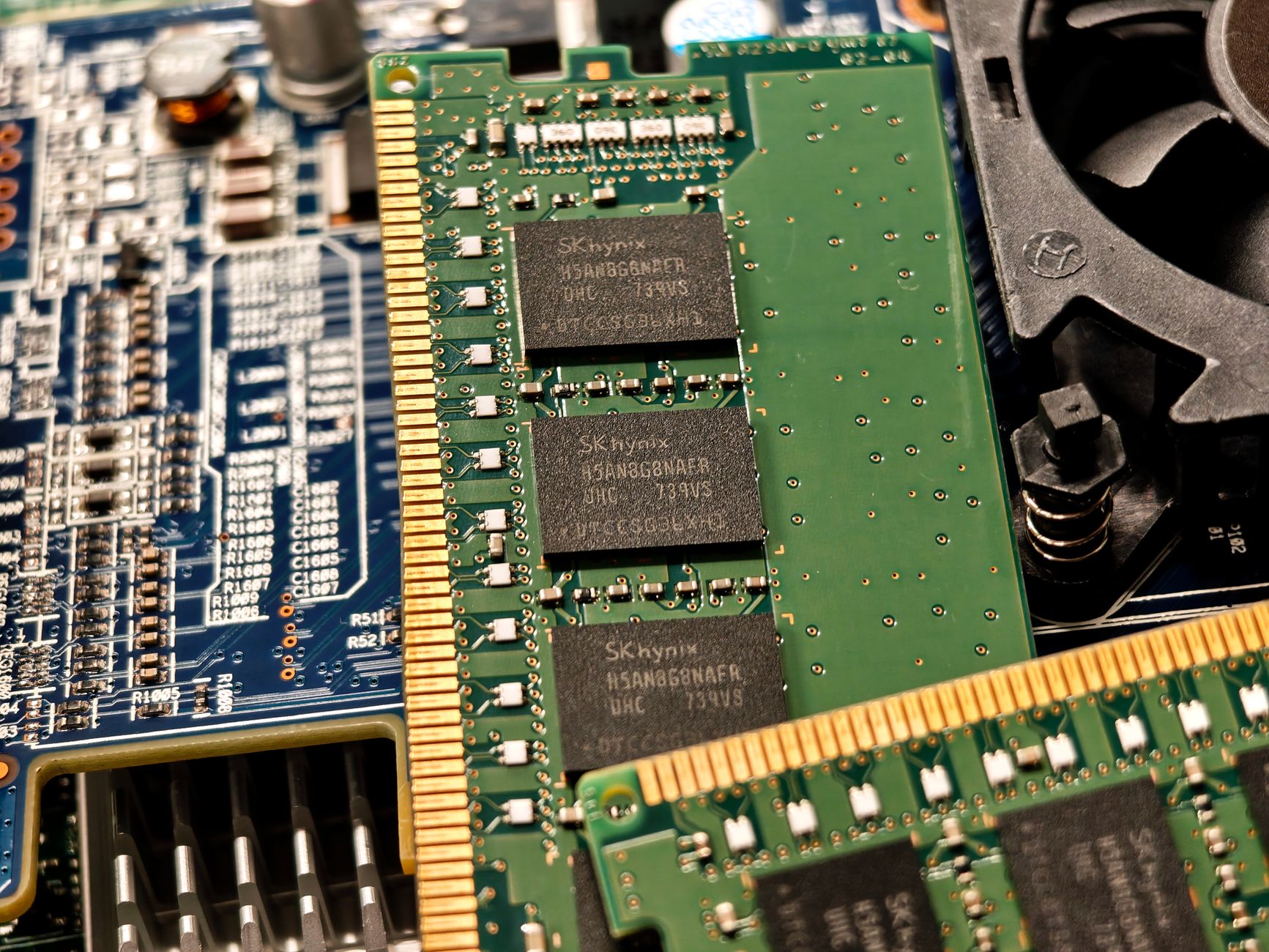
SK Hynix Stock Jump: Proven Insights on Market Reactions

SK Hynix stock jump has caught the attention of investors following a report about a potential deal with Intel. This sudden surge reflects the market’s optimistic outlook on the memory maker’s future prospects.

Understanding the SK Hynix Stock Jump

Recently, SK Hynix experienced a significant stock jump, primarily driven by positive market reactions to reports regarding a potential deal with Intel. Investors have shown renewed interest in the memory maker, leading to an uptick in share prices amidst the anticipation of strategic collaborations that could enhance the company’s growth prospects.

This surge in stock value is not only a reflection of the immediate response to the news but also highlights the broader market sentiment surrounding semiconductor companies. Analysts suggest that partnerships with major tech firms like Intel could provide SK Hynix with a competitive edge, especially in a rapidly evolving industry where demand for memory chips continues to rise.

Market observers have noted several key factors contributing to the SK Hynix stock jump:

  • Potential for Increased Revenue: A deal with a leading player like Intel may open new revenue streams.
  • Strengthened Market Position: Collaborations could enhance SK Hynix’s position in the global semiconductor market.
  • Investor Confidence: Positive news often leads to increased investor confidence, prompting more buying activity.

As the situation develops, many are keeping a close eye on SK Hynix’s strategic moves and how they may impact not just the company, but the semiconductor industry as a whole. This stock jump serves as a clear indicator of the market’s response to potential growth opportunities.

Market Reactions to Intel Deal

The recent surge in SK Hynix stock jump can be attributed to the market’s reaction to a potential deal with Intel, a move that analysts have been closely monitoring. As reports emerged about the discussions between the two tech giants, investors responded enthusiastically, driving the stock price higher.

Market analysts believe that the deal could significantly enhance SK Hynix’s position in the semiconductor industry. The collaboration is expected to focus on advanced memory technologies, which could lead to increased production efficiency and innovative product offerings. This has created a sense of optimism among investors, who view the partnership as a strategic move to strengthen SK Hynix’s market share.

In response to the news, several key market indicators showed positive trends:

  • Increased trading volume: There was a noticeable spike in trading activity for SK Hynix stocks, indicating heightened investor interest.
  • Analyst upgrades: Following the announcement, several financial institutions upgraded their ratings on SK Hynix, reflecting confidence in its future growth.
  • Broader market trends: The overall semiconductor sector saw a rally, with stocks of other memory makers also experiencing gains as investors reacted to the potential deal.

As the situation develops, it will be crucial for investors to keep an eye on further announcements from both companies, as they may influence the trajectory of SK Hynix stock jump in the coming weeks.

What This Means for Investors

The recent surge in SK Hynix stock has significant implications for investors, particularly those focused on technology and semiconductor sectors. As the company responds positively to reports regarding a potential deal with Intel, market sentiment has shifted, creating new opportunities for stakeholders.

Investors should closely monitor the following factors:

  • Market Volatility: The tech sector is often subject to rapid fluctuations, and the SK Hynix stock jump exemplifies how quickly investor sentiment can change based on news reports. Staying informed about market trends will be crucial.
  • Long-Term Growth Potential: The ongoing collaboration and potential deal with Intel could lead to advancements in technology and manufacturing processes, enhancing SK Hynix’s market position. This is an aspect investors should consider when evaluating long-term investments.
  • Competitive Landscape: As SK Hynix navigates partnerships and competition, understanding its standing compared to other major players in the memory chip market is vital. Investors should assess how these dynamics could impact stock performance.

In summary, while the immediate reaction to the SK Hynix stock jump may present short-term gains, the broader implications for investors involve careful consideration of long-term strategies and market conditions. Those who act quickly and wisely may find themselves well-positioned for future growth.

Analysis of Memory Maker Trends

The recent SK Hynix stock jump has brought renewed attention to the dynamics of the semiconductor industry, particularly regarding memory makers. As the market reacts to evolving partnerships and strategic moves, several trends are emerging that investors should closely monitor.

Firstly, the competitive landscape among memory chip manufacturers is shifting. Companies are increasingly focusing on innovation and partnerships to enhance their market positions. This trend is evident as major players, including SK Hynix, explore collaborations that could lead to mutually beneficial outcomes.

Secondly, investor sentiment is heavily influenced by external factors such as supply chain disruptions and advancements in technology. These elements not only affect production capacities but also dictate the pricing strategies of memory products. As demand for high-performance memory solutions rises, companies that adapt quickly are likely to reap significant rewards.

Moreover, the impact of global economic conditions cannot be overstated. Fluctuations in consumer electronics demand, driven by new trends in artificial intelligence and gaming, are pivotal in shaping market trajectories. Memory makers like SK Hynix must remain agile, adjusting their strategies in response to these changing consumer preferences.

In summary, the SK Hynix stock jump is a reflection of broader trends within the memory market. Investors should keep an eye on strategic developments and market conditions to make informed decisions.

The recent SK Hynix stock jump has garnered attention from investors and analysts alike. Understanding the factors behind the SK Hynix stock jump can provide valuable insights into market trends.

Photo by Adriano Ponte Abreu on Pexels

References

More on this site

Oil prices drop: Is this the worst trend for investors?

Oil prices drop as Saudi Arabia offers more crude via Oman, raising concerns among investors about future market stability.

Impact of Saudi Arabia’s crude offer

The recent decision by Saudi Arabia to increase its crude oil offerings has sent ripples through the global market, contributing to a notable decline in oil prices. As the world’s largest oil exporter, Saudi Arabia’s actions are closely watched by investors and analysts alike.

Market analysts are expressing concerns about the implications of this move. Several factors are influencing the drop in oil prices:

  • Increased Supply: The additional crude being offered through Oman is set to boost global supply, leading to a potential oversupply situation.
  • Demand Uncertainty: With economic slowdowns in key markets, the demand for oil may not rise as expected, exacerbating the effects of increased supply.
  • Investor Sentiment: The news has led to a shift in investor sentiment, with many fearing that this trend may continue, further impacting oil prices.

As oil prices drop, investors are left grappling with how to navigate the changing landscape. While some may view this as a buying opportunity, others are wary of the long-term effects on market stability. The situation is evolving, and the potential for further decreases in oil prices remains a hot topic among industry experts.

Market reactions to oil price changes

As oil prices drop, market analysts are closely monitoring the reactions of investors and traders in response to the recent fluctuations. The announcement of increased crude oil offers from Saudi Arabia via Oman has led to a notable shift in market sentiment, raising concerns about oversupply and its implications for pricing.

Investors have been quick to react to the changing dynamics, with many taking a cautious approach. The following factors are influencing market reactions:

  • Increased Supply: The additional crude from Saudi Arabia is expected to contribute to an already saturated market, potentially leading to further declines in oil prices.
  • Investor Sentiment: As oil prices drop, investor confidence may waver, prompting some to reconsider their positions in energy stocks.
  • Global Economic Indicators: Economic data from major consumer countries is being scrutinized, as weaker demand can exacerbate the downward pressure on oil prices.
  • Geopolitical Factors: Ongoing tensions in oil-producing regions could also affect market stability, influencing investor behavior.

While some analysts view this drop in oil prices as a temporary situation, others warn that prolonged declines could lead to significant challenges for investors in the energy sector. The uncertainty surrounding future price movements continues to keep market participants on edge.

Predictions for future oil prices

As oil prices drop, analysts are closely monitoring potential trends that could impact the market in the coming months. Several predictions have emerged regarding the future of oil prices, influenced by both global demand and geopolitical factors.

  • Demand Recovery: Some experts believe that a recovery in global demand, particularly from major economies, could stabilize prices. If countries can manage inflation and stimulate economic growth, oil prices may see a rebound.
  • Geopolitical Tensions: Ongoing geopolitical tensions, especially in oil-rich regions, could create volatility. Any disruption in supply chains could lead to sudden price increases, even if the current trend shows a decline.
  • Environmental Policies: With more countries committing to carbon neutrality, the shift towards renewable energy sources may further influence oil prices. As investments in green technologies increase, traditional oil markets may face long-term declines.
  • OPEC Decisions: The Organization of the Petroleum Exporting Countries (OPEC) continues to play a crucial role in shaping oil prices. Future decisions regarding production cuts or increases will directly affect market dynamics.

In summary, while oil prices drop at present, various factors could shape their trajectory, leading to uncertain conditions for investors in the energy sector.

Factors influencing oil supply

The recent drop in oil prices can be attributed to several key factors influencing oil supply. Understanding these factors is essential for investors trying to navigate this volatile market.

  • Increased production from OPEC+: The Organization of the Petroleum Exporting Countries and its allies, known as OPEC+, have ramped up output in recent weeks. This increase in supply is directly affecting the balance of the market and contributing to the decline in oil prices.
  • Global economic slowdown: Concerns over a potential global recession have led to lower demand projections for oil. As economies slow, the need for energy diminishes, further exacerbating the situation and leading to a drop in prices.
  • Geopolitical tensions: Ongoing geopolitical issues, particularly in oil-rich regions, can create uncertainty in the market. However, recent developments have stabilized some areas, leading to increased supply that has pressured prices downward.
  • Technological advancements: The rise of alternative energy sources and advancements in extraction technologies have made it easier for countries to boost their oil production, leading to a more saturated market and a subsequent decline in oil prices.

These factors combined illustrate why the current trend of dropping oil prices may pose significant challenges for investors in the energy sector.

Investor strategies during price drops

As oil prices drop, investors are reevaluating their strategies to navigate the changing market landscape. The recent decline in oil prices, attributed to Saudi Arabia’s increased crude offerings, has sent ripples through the investment community, prompting many to consider both short-term and long-term implications.

Several key strategies can be employed during periods of falling oil prices:

  • Diversification: Investors should consider diversifying their portfolios to mitigate risks associated with volatile oil markets. This may involve reallocating funds into different energy sectors or alternative investments.
  • Research and Analysis: Conducting thorough research on companies linked to oil production and refining can provide valuable insights. Understanding which firms have strong balance sheets can help investors identify potential opportunities amidst the price drop.
  • Options Trading: Utilizing options can offer a way to hedge against further declines in oil prices. Investors might consider put options to protect their positions while also exploring call options if they believe the market may rebound.
  • Long-term Outlook: Staying focused on long-term potential rather than reacting solely to short-term price fluctuations can prove beneficial. Analyzing macroeconomic trends and energy consumption forecasts can guide investment decisions.

In conclusion, while the drop in oil prices presents challenges, it also opens doors for strategic investment adjustments.

Global oil demand outlook

The global oil demand outlook has taken a significant hit, coinciding with the recent trend of oil prices dropping. According to analysts, several factors are contributing to this decline, raising concerns among investors about the sustainability of their portfolios in the oil sector.

First, the ongoing economic uncertainties across major markets are dampening consumer confidence, which in turn affects fuel consumption. China, one of the world’s largest oil consumers, is facing sluggish growth, leading to reduced demand forecasts. Additionally, Europe is grappling with energy transition challenges and inflation, further straining oil demand.

Furthermore, the rise of alternative energy sources continues to reshape the energy landscape. As countries push for greener initiatives, the reliance on fossil fuels is expected to decrease gradually. This shift represents a long-term threat to oil prices and can exacerbate the situation for investors who are heavily invested in traditional oil assets.

In light of these developments, it is crucial for investors to reassess their strategies. The decline in oil prices could signal a pivotal moment, prompting a shift towards more diversified investment portfolios that include renewable energy options. The outlook for global oil demand remains uncertain, and investors must remain vigilant to navigate the challenges ahead.

Analysis of recent oil market trends

Recent analysis of the oil market has revealed significant fluctuations that have raised concerns among investors. As oil prices drop, factors such as geopolitical tensions, changes in production levels, and shifting demand dynamics play a crucial role in shaping the market landscape.

One of the primary reasons for the recent downturn is the increase in crude oil offers from Saudi Arabia, specifically through Oman. This development has led to an oversupply in the market, contributing to the decline in prices. Additionally, economic indicators from major oil-consuming nations suggest a potential slowdown in demand, further exacerbating the situation.

Investors are now grappling with the implications of these trends. Many are reevaluating their portfolios, considering whether to hold onto oil-related assets or pivot towards safer investments. The uncertainty surrounding the oil market has prompted discussions about the long-term viability of investing in energy resources.

  • Geopolitical tensions: Conflicts in oil-producing regions can significantly impact supply.
  • Production levels: High production rates often lead to oversupply, driving prices down.
  • Demand dynamics: Changes in global consumption patterns can swiftly alter market conditions.

As oil prices drop, investors must remain vigilant and adaptive to navigate this evolving landscape.

As oil prices drop, investors are left questioning the long-term implications for their portfolios. The trend of oil prices drop could signal broader economic challenges that may affect various sectors.

Photo by Ekaterina Belinskaya on Pexels

Read the original

Related reading

NSE IPO Shareholders Profit: Clear Insights on Stake Trimming

NSE IPO shareholders profit from strategic stake trimming, with SBI, BoB, and other key players set to gain significantly. This article explores the financial implications and benefits of these decisions.

Understanding the NSE IPO

The National Stock Exchange (NSE) has recently captured significant attention in the financial sector with its initial public offering (IPO). Investors are keen to understand the implications of this event, particularly how it affects existing shareholders. The NSE IPO offers a unique opportunity for stakeholders, allowing them to capitalize on their investments.

When the NSE went public, it provided a platform for shareholders, including major stakeholders such as SBI and Bank of Baroda (BoB), to consider trimming their stakes. This strategic move is aimed at realizing profits from their investments in the exchange. As such, the NSE IPO shareholders profit is a focal point for many, highlighting the potential returns they can expect.

These shareholders are expected to benefit significantly from the IPO, which has attracted considerable investor interest. As the market responds positively, the financial rewards for these stakeholders could be substantial. The following are key insights regarding the potential profits:

  • Market Performance: The initial performance of the NSE stock will determine immediate gains.
  • Stake Trimming Strategy: Selling a portion of their shares could maximize profits while maintaining a foothold in the market.
  • Long-Term Growth: Evaluating the NSE’s growth trajectory may influence future investment decisions.

Overall, the IPO is a pivotal moment for NSE shareholders, signifying not just an exit strategy but also the potential for ongoing financial benefits.

How Shareholders Benefit from Stake Trimming

In the dynamic world of investments, the recent NSE IPO has opened up significant avenues for shareholders looking to maximize their profits. One of the most strategic moves for these shareholders is the decision to trim their stakes. This process not only helps in realizing gains but also aligns with market dynamics, allowing investors to capitalize on favorable conditions.

When shareholders trim their stakes, they can benefit in several ways:

  • Immediate Profit Realization: By selling a portion of their holdings, investors can lock in profits that might otherwise be subject to market volatility.
  • Reinvestment Opportunities: The proceeds from the sale can be reinvested into other promising opportunities, diversifying their portfolio and reducing overall risk.
  • Market Sentiment Adjustment: Stake trimming can signal to the market that a company is confident in its valuation, potentially influencing stock performance positively.
  • Liquidity Management: Raising cash through stake trimming can provide necessary liquidity for shareholders, allowing them to manage their financial needs more effectively.

With the NSE IPO shareholders profit being a central theme, it’s clear that strategic stake trimming not only boosts individual gains but also contributes to the broader market stability. Investors are advised to stay informed and consider these tactics as part of their overall investment strategy.

Profit Projections for SBI and BoB

As the excitement around the NSE IPO continues, projections for profits among key stakeholders such as SBI and Bank of Baroda (BoB) have become a focal point for investors. Both banks are expected to benefit significantly from their decision to trim their stakes in this lucrative venture.

According to industry analysts, the profit projections for these banks are quite promising. The following points highlight the anticipated gains:

  • SBI’s Stake Reduction: SBI, having reduced its stake in the NSE, is projected to earn a profit of approximately ₹1,500 crore. This is largely attributed to the strong market response following the IPO announcement.
  • BoB’s Expected Earnings: Similarly, Bank of Baroda is expected to realize a profit nearing ₹800 crore from its stake trimming. This reflects the growing confidence in the NSE’s market trajectory.
  • Market Sentiment: Both banks’ proactive moves are seen as a strategy to capitalize on favorable market conditions, enhancing their financial positions.

With the NSE IPO shareholders profit projections revealing substantial earnings for SBI and BoB, other investors are closely monitoring these developments. The move to trim stakes not only boosts immediate profits but also positions these banks favorably for future investments.

Market Reactions to the IPO News

The recent news surrounding the NSE IPO has sparked varied reactions in the market, especially among investors and analysts. As stakeholders digest the implications of stake trimming, the focus has primarily been on how these actions will affect the overall profitability for shareholders.

One of the key developments is the predicted profit margins for major players such as SBI and BoB. Market analysts have noted that these financial institutions stand to gain significantly by selling portions of their holdings. This strategic move is expected to yield substantial returns, reinforcing the positive sentiment around the NSE IPO.

Investors have taken a keen interest in the performance of the stocks related to the NSE IPO, with many speculating on potential price movements following the stake sales. Analysts suggest that the trimming of stakes may lead to short-term volatility but could ultimately enhance shareholder value in the long run.

Market reactions have been mixed, with some investors expressing optimism while others remain cautious. The fluctuations in stock prices indicate that the market is still assessing the long-term benefits of these moves. Overall, the profit potential for NSE IPO shareholders has become a focal point, as stakeholders eagerly await further developments that could impact their investments.

  • Positive sentiment among investors
  • Predicted gains for SBI and BoB
  • Short-term volatility vs. long-term benefits

As the market continues to evolve, understanding the dynamics of NSE IPO shareholders profit becomes crucial for investors. Many are now considering strategies to optimize their returns while navigating the complexities of stake trimming.

Photo by Markus Winkler on Pexels

References

Related stories