Cooperative airline India: Best funding model revealed

Cooperative airline India is making headlines as Co-Kerala receives government approval with a ₹400 crore funding model. This initiative is poised to revolutionize air travel in the state.

What is Co-Kerala?

Co-Kerala is an innovative initiative that marks a significant milestone in the aviation sector of India. Launched as the country’s first cooperative airline, it aims to provide affordable and accessible air travel for all citizens while promoting regional connectivity. The cooperative airline India model focuses on involving local communities in airline operations, thereby ensuring that profits are reinvested back into the community.

The cooperative structure allows for a unique funding model, which has recently received a government nod with a substantial investment of ₹400 crore. This funding is expected to support the airline’s infrastructure and operational costs, making it a viable option for travelers.

Co-Kerala is not only about providing air travel but also about empowering local stakeholders, including farmers and small businesses. By fostering a sense of ownership and participation, Co-Kerala aims to revolutionize the way air travel is perceived and experienced in India.

As Co-Kerala takes flight, it represents a promising future for cooperative airline India, paving the way for similar ventures across the country.

Government approval details

The long-awaited approval for Co-Kerala, India’s first cooperative airline, has finally been granted by the government. This landmark decision comes with a significant funding model of ₹400 crore, aimed at strengthening the cooperative aviation sector in India.

The approval signifies a new chapter in India’s aviation landscape, focusing on collaborative ownership and community involvement. The cooperative airline model is designed to empower local stakeholders while ensuring affordable air travel options for passengers.

Key details of the funding model include:

  • Initial Capital: A substantial portion of the ₹400 crore will be allocated for fleet acquisition and operational setup.
  • Community Investment: Local residents and stakeholders will have opportunities to invest, fostering a sense of ownership.
  • Government Support: The government will provide regulatory assistance and marketing support to ensure the airline’s success.

This cooperative airline India initiative aims to not only enhance air connectivity but also promote socio-economic growth in the region.

Funding breakdown

The funding model for the cooperative airline India, specifically Co-Kerala, has been meticulously structured to ensure sustainability and growth. The total funding requirement is set at ₹400 crore, a significant investment aimed at establishing a robust operational framework.

The breakdown of the funding is as follows:

  • Government Support: Approximately ₹200 crore is expected to come from state and central government contributions, emphasizing their commitment to the cooperative model.
  • Private Investments: Around ₹150 crore will be raised through private equity, attracting investors interested in the cooperative airline sector.
  • Community Contributions: The remaining ₹50 crore is anticipated to be sourced from local communities and supporters who believe in the cooperative ethos of the airline.

This funding model not only highlights the collaborative spirit but also ensures that Co-Kerala can operate effectively while catering to the needs of its members and passengers alike.

Impact on local travel

The launch of Co-Kerala, India’s first cooperative airline, is set to significantly impact local travel across the region. By prioritizing community involvement and investment, this innovative model aims to enhance connectivity and accessibility for travelers.

With a focus on affordable fares, Co-Kerala is expected to stimulate tourism and facilitate business travel within the state. The cooperative airline’s structure encourages local stakeholders to invest in their travel needs, promoting a sense of ownership and responsibility among residents.

Some key benefits of Co-Kerala’s impact on local travel include:

  • Enhanced Connectivity: More routes will likely be developed, connecting underserved areas and major cities.
  • Job Creation: The establishment of the airline is projected to create numerous jobs, bolstering the local economy.
  • Community Engagement: Local residents will have a voice in decision-making, fostering a stronger bond between the airline and its customers.

Overall, the cooperative airline India initiative presents a promising future for the aviation landscape in the country.

Benefits of cooperative airlines

The emergence of cooperative airlines in India, particularly Co-Kerala, presents numerous advantages that could reshape the aviation landscape. Below are some key benefits of this innovative funding model:

  • Community Ownership: Cooperative airlines empower local communities, allowing them to have a stake in the airline’s operations and profits.
  • Affordability: By minimizing overhead costs and prioritizing local needs, cooperative airlines can offer competitive pricing for passengers, making air travel more accessible.
  • Job Creation: These airlines foster employment opportunities within the community, as many positions are likely to be filled by local residents.
  • Enhanced Connectivity: Cooperative airlines often focus on underserved regions, improving connectivity and promoting tourism in those areas.
  • Sustainability: The model encourages environmentally friendly practices, as cooperatives are more likely to invest in sustainable technologies that benefit the community.

Overall, the cooperative airline India model aims to create a more inclusive, economically viable, and community-focused aviation industry.

Challenges ahead

While the establishment of the cooperative airline India marks a significant milestone, several challenges remain on the horizon. First and foremost, regulatory hurdles may emerge as the airline navigates the complex landscape of aviation laws and safety standards. Ensuring adherence to these regulations is crucial for gaining public trust.

Moreover, financial sustainability poses a concern. Although the ₹400 crore funding model provides initial support, ongoing operational costs could strain resources if passenger numbers do not meet projections. The cooperative airline India’s success heavily relies on attracting a consistent customer base.

Additionally, competition in the aviation sector is fierce. Established players may respond aggressively to the entry of a new cooperative entity, potentially leading to fare wars that could impact profitability.

Finally, public perception plays a vital role. Convincing travelers to choose a cooperative airline over traditional options will require significant marketing efforts and community engagement to build loyalty and support.

Future of aviation in Kerala

The future of aviation in Kerala looks promising with the advent of the cooperative airline India, Co-Kerala. This innovative model aims to reshape air travel in the region by prioritizing community involvement and local empowerment. With government backing and significant funding, the cooperative airline is set to enhance connectivity and promote tourism.

One of the key advantages of this model is its focus on sustainability. By involving local stakeholders, the airline can ensure that profits remain within the community, leading to economic growth and development. The cooperative structure also encourages transparency and accountability, fostering trust among passengers and employees alike.

However, the success of Co-Kerala will heavily depend on its ability to address potential challenges, such as competition from established airlines and the need for efficient management. As the initiative moves forward, collaboration between the government, local communities, and aviation experts will be essential to navigate these hurdles and pave the way for a robust aviation sector in Kerala.

Public response to Co-Kerala

Public response to the launch of Co-Kerala has been overwhelmingly positive, with many locals expressing excitement over the establishment of a cooperative airline in India. Community members believe that this initiative will significantly enhance connectivity and foster regional development.

Residents have taken to social media to voice their support, highlighting the potential benefits of having a local airline that prioritizes community needs. Many are optimistic about the cooperative model, which they feel will be more accountable and responsive compared to traditional airlines.

Local businesses are also rallying behind Co-Kerala, anticipating an increase in tourism and commerce. Several small business owners have reported that they plan to collaborate with the airline to offer travel packages and other services that leverage the new connectivity.

However, some skeptics remain, questioning the sustainability of this funding model. As discussions continue, the overall sentiment appears to lean towards a hopeful future for cooperative airlines in India, with Co-Kerala leading the way.

The success of the cooperative airline India model lies in its ability to engage local communities and share profits among members. By prioritizing collaboration over competition, the cooperative airline India approach provides a sustainable funding solution for regional air travel.

Sources

Swarajya

You might also like

Top stocks to buy: Best proven picks for investors · Four-lane road project: Smart plan for Yedulapuram · Is Navi Mumbai airport the Best Shift for Airlines?

Four-lane road project: Smart plan for Yedulapuram

The four-lane road project is set to transform Yedulapuram, announced by Ponguleti Srinivasa Reddy. This initiative promises improved infrastructure and connectivity for the area.

Overview of the four-lane road project

The recently announced four-lane road project in Yedulapuram aims to enhance connectivity and facilitate smoother transportation in the region. Ponguleti Srinivasa Reddy, a prominent local leader, emphasized the significance of this development during a recent press conference. He stated that the project is essential for boosting economic growth and improving access to essential services for residents.

This initiative will involve the construction of a wide, modern road designed to handle increased traffic volumes, thereby reducing congestion. The project is expected to benefit both commuters and local businesses by providing a reliable transportation route.

Key features of the four-lane road project include:

  • Enhanced safety measures with proper signage and pedestrian crossings.
  • Improved drainage systems to prevent flooding during heavy rains.
  • Increased green spaces along the roadside to promote environmental sustainability.

Overall, this ambitious project marks a significant step forward for Yedulapuram and its residents.

Benefits of improved infrastructure

The announcement of the four-lane road project in Yedulapuram is set to bring numerous benefits to the region, enhancing both connectivity and economic growth.

One of the primary advantages of improved infrastructure is the reduction in travel time. Commuters will experience a smoother and faster journey, leading to increased productivity.

Additionally, the four-lane road project is expected to:

  • Boost local businesses: Enhanced access will attract more customers, contributing to the growth of small enterprises.
  • Encourage tourism: Improved roads will make Yedulapuram more accessible to visitors, promoting local attractions.
  • Increase safety: Wider roads are generally safer, reducing the likelihood of accidents.
  • Facilitate emergency services: A reliable road network will enable quicker responses in emergencies, benefiting the entire community.

Overall, this project is a significant step towards a more connected and prosperous Yedulapuram.

Community reactions to the announcement

The announcement of the four-lane road project in Yedulapuram has sparked a mix of reactions from the local community. Many residents expressed optimism, highlighting the potential for enhanced connectivity and economic growth.

  • Positive outlook: Community members believe that the new infrastructure will attract businesses and improve access to essential services.
  • Concerns raised: Some residents voiced worries about possible disruptions during construction, fearing it could hinder daily activities.
  • Environmental impact: A segment of the population is concerned about the potential ecological consequences and is advocating for sustainable practices during the project.

Despite these concerns, the overall sentiment leans toward support, with many acknowledging the long-term benefits of the four-lane road project. Local leaders are encouraging open dialogue to ensure that community voices are heard throughout the planning and implementation stages. The project is seen not just as an infrastructure upgrade, but as a catalyst for positive change in Yedulapuram.

Timeline for project completion

The timeline for the completion of the four-lane road project in Yedulapuram has been outlined by local officials, providing a roadmap for residents and stakeholders. According to Ponguleti Srinivasa Reddy, the project is expected to progress through several key phases over the next two years.

  • Phase 1: Preliminary surveying and planning will commence immediately, with an estimated duration of three months.
  • Phase 2: Construction work is scheduled to begin in the next quarter, focusing on land acquisition and initial groundwork, projected to take six months.
  • Phase 3: Roadway development will follow, with the aim of completing the four-lane expansion within a year, allowing for essential upgrades to nearby infrastructure.
  • Phase 4: Final touches, including signage and landscaping, are expected to wrap up the project within the subsequent three months.

Officials are optimistic that the timely execution of these phases will significantly enhance transportation in the region.

Funding sources for the project

The funding sources for the four-lane road project in Yedulapuram have been a significant point of discussion among local officials and community members. The project is expected to be financed through a combination of public and private investments, ensuring a robust financial foundation for its successful completion.

Key funding sources include:

  • Government Grants: The state government has allocated a portion of its infrastructure budget specifically for road development projects.
  • Public-Private Partnerships (PPPs): Collaborating with private firms to share costs and expertise is a critical aspect of the funding strategy.
  • Local Contributions: Community fundraising initiatives are being encouraged to promote local investment in the project.
  • Foreign Investments: Discussions are ongoing to attract international funding aimed at enhancing local infrastructure.

These funding avenues are essential to ensure that the four-lane road project not only meets its deadlines but also adheres to quality standards that benefit the Yedulapuram community.

Expected impact on local economy

The anticipated four-lane road project in Yedulapuram is expected to significantly boost the local economy. With improved connectivity, businesses in the area are likely to see an increase in customers and suppliers, leading to enhanced economic activity.

Local entrepreneurs are optimistic about the following potential impacts:

  • Job creation: The construction phase will create numerous jobs, while improved access may lead to long-term employment opportunities in various sectors.
  • Increased investment: Enhanced infrastructure can attract new businesses and investors, contributing to the region’s economic growth.
  • Tourism growth: Better roads may also facilitate tourism, allowing visitors to explore attractions that were previously hard to reach.
  • Property value increase: Enhanced accessibility may lead to a rise in property values, benefiting local homeowners.

Ultimately, the four-lane road project is viewed as a transformative initiative that promises to revitalize Yedulapuram’s economy and improve the quality of life for its residents.

Future developments in Yedulapuram

The four-lane road project in Yedulapuram is set to pave the way for significant future developments in the region. Local officials anticipate that improved connectivity will attract new businesses and enhance existing ones, leading to a more vibrant economic landscape.

Several key initiatives are already being discussed in light of the upcoming infrastructure changes:

  • Commercial Centers: Plans for new retail and service-oriented establishments are in the works, which will cater to both residents and travelers.
  • Residential Projects: The influx of new businesses is expected to drive demand for housing, prompting developers to consider new residential complexes.
  • Public Amenities: Enhancements to parks, community centers, and public transport options are being proposed to meet the needs of a growing population.

Overall, the four-lane road project not only represents a leap in infrastructure but also serves as a catalyst for future growth and development in Yedulapuram.

By Alan Stanton via Openverse

Sources

Related stories

Tesla Roadster flying cars: The real future of transportation

Tesla Roadster flying cars are making headlines as Elon Musk reveals his vision for the future of transportation. This groundbreaking debut is set to change how we think about mobility.

Elon Musk’s Vision for Transportation

Elon Musk, the visionary CEO of Tesla, has long captivated the world with his ambitious plans for the future of transportation. With the recent debut of the Tesla Roadster, he has taken a bold step toward a reality that many once deemed science fiction: flying cars. Musk’s vision encompasses a revolutionary transformation in personal travel and urban mobility.

According to Musk, the integration of flying capabilities into vehicles like the Tesla Roadster represents a significant advancement in technology. He believes that in the near future, personal transportation will not be confined to roads, but will rather take to the skies, significantly reducing traffic congestion in urban areas.

To realize this vision, Musk has outlined a few key elements:

  • Advanced Propulsion Systems: Development of efficient, compact propulsion systems that can be seamlessly integrated into current vehicle designs.
  • Autonomous Navigation: Implementation of sophisticated AI algorithms to enable safe and efficient flight, minimizing the likelihood of accidents.
  • Infrastructure Development: Establishment of designated takeoff and landing zones to accommodate flying vehicles in urban environments.

With the Tesla Roadster flying cars initiative, Musk is not only pushing the boundaries of automotive design but also redefining our very concept of transportation. The potential for flying cars could dramatically enhance mobility, making our cities more efficient and connected.

What Makes the Tesla Roadster Unique

The Tesla Roadster has long been admired for its groundbreaking performance and innovative design, but what truly sets it apart in the realm of futuristic transportation is its potential transformation into flying cars. Here are some key features that make the Tesla Roadster unique:

  • Exceptional Speed: The Roadster is designed to accelerate from 0 to 60 mph in just 1.9 seconds, making it one of the quickest cars ever produced. This speed is crucial for any vehicle aspiring to take to the skies.
  • Advanced Aerodynamics: The sleek design of the Roadster not only looks stunning but also enhances its aerodynamic efficiency, a vital factor when considering flight capabilities.
  • Cutting-Edge Technology: Equipped with state-of-the-art technology, the Roadster features autopilot capabilities that could easily be adapted for flying operations, making it a contender in the emerging market of flying cars.
  • Sustainable Energy: As a fully electric vehicle, the Roadster aligns with Elon Musk’s vision of a sustainable future, reducing the carbon footprint associated with traditional flying vehicles.
  • Modular Design: The Roadster’s design could potentially accommodate modifications for vertical takeoff and landing (VTOL), pushing the boundaries of modern transportation.

With these unique attributes, the Tesla Roadster is not just a car; it represents a bold step toward the reality of flying cars, showcasing what the future of transportation might look like.

The Rise of Flying Cars

The concept of flying cars has long been relegated to the realm of science fiction, but recent advancements suggest that the reality may be closer than we think. With the unveiling of the Tesla Roadster, Elon Musk has reignited interest in this futuristic mode of transportation. As he continues to push the boundaries of innovation, the idea of Tesla Roadster flying cars is becoming a tangible possibility.

The rise of flying cars is fueled by several factors:

  • Technological Advancements: Breakthroughs in electric propulsion and battery technology are making it feasible to create vehicles that can take to the skies.
  • Urbanization: As cities become increasingly congested, flying cars offer a potential solution to traffic woes by utilizing airspace for commuting.
  • Environmental Concerns: With a growing emphasis on sustainable transportation, electric flying cars could provide a greener alternative to traditional vehicles.

Elon Musk’s vision includes not only the Tesla Roadster but also a broader commitment to making flying cars a reality. His ambitious plans suggest that flying cars could dramatically alter the landscape of transportation, turning everyday commutes into aerial journeys.

As the technology continues to evolve, the potential for Tesla Roadster flying cars to transform how we travel is becoming more tangible. With a focus on innovation, the future of transportation may soar to new heights.

How Tesla is Leading the Charge

Tesla is undeniably at the forefront of revolutionizing transportation, merging innovative engineering with an ambitious vision for the future. With the recent debut of the Tesla Roadster, the concept of flying cars has transitioned from science fiction to a tangible reality. Elon Musk’s relentless pursuit of advancement has set a new standard in the automotive industry, emphasizing not just speed and efficiency, but also the integration of aerial capabilities.

One of the pivotal elements of Tesla’s approach is their unwavering commitment to sustainability. The Roadster exemplifies this ethos with its electric powertrain, which reduces reliance on fossil fuels while providing an exhilarating driving experience. The introduction of flying cars aligns perfectly with Tesla’s mission to accelerate the world’s transition to sustainable energy.

Moreover, Tesla’s advancements in artificial intelligence and autonomous driving technology position the company as a leader in the race toward airborne vehicles. The potential for the Tesla Roadster flying cars opens up a myriad of possibilities, from alleviating traffic congestion to enhancing urban mobility.

As Tesla continues to innovate, the company is not only redefining personal transportation but also paving the way for a future where flying cars become a commonplace sight in our skies. This vision of transportation is no longer a distant dream; it is rapidly becoming a reality, thanks to Tesla’s pioneering efforts.

Public Reaction to the Roadster

The unveiling of the Tesla Roadster has sparked a remarkable wave of public reaction, with many expressing excitement about the potential of flying cars becoming a reality. Social media platforms have been flooded with discussions and opinions regarding the ambitious leap in technology that Tesla is pursuing.

Many supporters of the brand have taken to platforms like Twitter and Instagram to share their enthusiasm. A common sentiment among fans is the thrilling prospect of a future where the Tesla Roadster doesn’t just drive on roads but takes to the skies. As one enthusiastic fan put it, “The Tesla Roadster flying cars are more than just a dream; they could redefine how we think about travel.”

However, the reaction hasn’t been entirely positive. Critics have raised concerns about the safety, regulatory challenges, and practicality of flying cars. Some argue that while the technology is innovative, there are still significant hurdles to overcome before such vehicles can be integrated into everyday life. Issues such as air traffic management and noise pollution have been highlighted as potential obstacles that need addressing.

Despite the mixed reactions, the conversation around the Tesla Roadster and flying cars is growing. It reflects a broader interest in the future of transportation, where the possibilities seem endless and the boundaries of technology are continually being pushed.

Challenges Ahead for Flying Cars

As the concept of flying cars gains traction, significant challenges lie ahead before widespread adoption can become a reality. The visionary idea of the Tesla Roadster flying cars brings excitement, but it also prompts critical discussions about infrastructure, safety, and regulatory hurdles.

One of the primary challenges involves infrastructure development. Current roadways are not equipped to handle vertical takeoff and landing (VTOL) vehicles. Urban areas will need dedicated air traffic management systems to ensure the safe navigation of flying cars, which is a monumental task requiring advanced technology and coordination.

Another concern is safety regulations. Establishing comprehensive guidelines for piloting flying cars is essential. The aviation industry has decades of regulatory frameworks to ensure safety, and adapting these to accommodate personal flying vehicles will be a complex process. Additionally, potential accidents involving these vehicles could raise public safety concerns, necessitating rigorous testing and certification.

Public acceptance remains a significant hurdle as well. While many are excited about the prospect of Tesla Roadster flying cars, skepticism about their feasibility persists. Educating the public on the benefits and safety of flying cars will be crucial in overcoming this reluctance.

In summary, while the Tesla Roadster flying cars represent a thrilling leap into the future of transportation, addressing these challenges is imperative to ensuring their successful integration into everyday life.

Comparing Tesla Roadster to Traditional Cars

As the automotive industry evolves, the Tesla Roadster presents a stark contrast to traditional cars, pushing the boundaries of what we envision for the future of transportation. Unlike conventional vehicles, which rely on roads and traffic systems, the concept of flying cars offers a new dimension of mobility, enabling faster and more efficient travel.

To understand the differences better, consider the following aspects:

  • Performance: The Tesla Roadster boasts impressive acceleration, going from 0 to 60 mph in just 1.9 seconds, showcasing a level of performance traditionally unseen in gas-powered vehicles.
  • Energy Efficiency: As an all-electric vehicle, the Roadster operates without fossil fuels, reducing emissions significantly compared to conventional cars.
  • Technology Integration: With advanced software and AI capabilities, the Tesla Roadster offers features like autopilot, which are far more sophisticated than those found in most traditional vehicles.
  • Future Potential: With discussions on flying cars becoming mainstream, the Roadster sets the stage for this innovative shift, paving the way for a new era in personal transportation.

While traditional cars have served us well, the vision presented by the Tesla Roadster and the prospect of flying cars herald a transformative change in how we think about mobility.

The Future of Personal Mobility

The future of personal mobility is on the brink of a transformative leap, with innovations like the Tesla Roadster flying cars shaping what transportation could look like in the coming years. As urban areas grow increasingly congested, the need for efficient and flexible travel solutions becomes more pressing. The idea of flying cars, once relegated to the realm of science fiction, is now inching closer to reality.

With advancements in technology and engineering, the potential benefits of flying cars are becoming more apparent:

  • Reduced Traffic Congestion: By taking to the skies, flying cars could alleviate the burden on existing road networks, allowing for faster and more direct routes.
  • Increased Accessibility: Flying cars could provide access to remote areas and improve mobility for those living in hard-to-reach locations.
  • Environmental Impact: Many manufacturers, including Tesla, are focusing on sustainable energy solutions, ensuring that flying vehicles are eco-friendly.

As the Tesla Roadster flying cars approach commercial viability, the implications for personal mobility are profound. They promise not only to revolutionize travel but also to redefine our relationship with transportation. With Elon Musk at the helm, the vision of a future filled with flying cars is becoming more tangible, hinting at a world where the sky is no longer the limit.

The emergence of Tesla Roadster flying cars marks a revolutionary shift in how we envision urban mobility. As technology advances, these Tesla Roadster flying cars could soon become a common sight in our skies, transforming daily commutes.

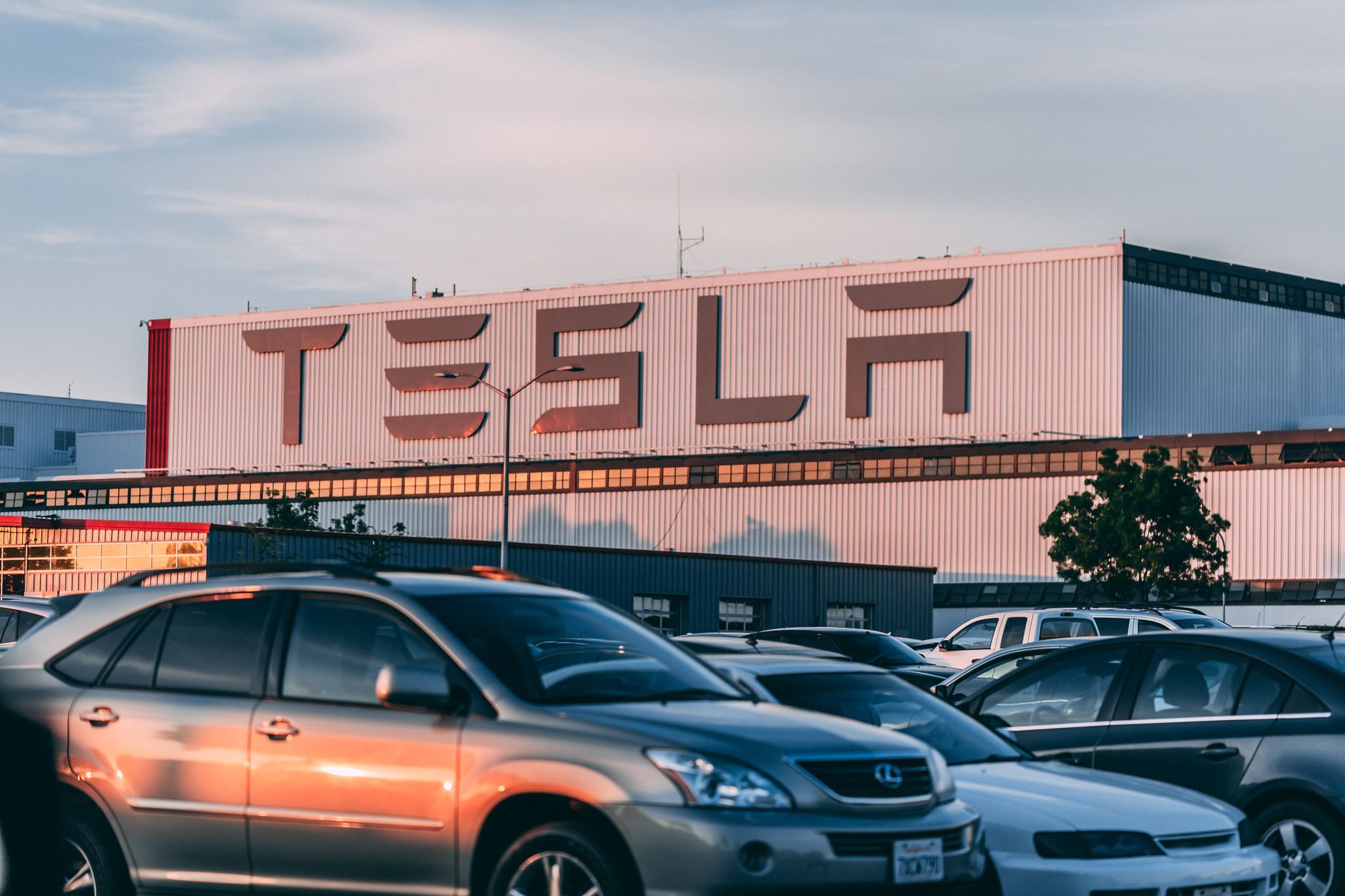
Photo by Craig Adderley on Pexels

Read the original

CBS News

Related reading

Silicon qubits breakthrough: Best proven quantum computing · South African cricket: The Wrong Strategy on the Field · Indian currency gains: Quick insights into rupee’s rise