Is Job Growth News the Worst Sign for the Economy?
Job growth news reveals a concerning trend as the labor market cools and unemployment ticks higher. This shift raises questions about the economy’s stability.
Current Job Growth Statistics
Recent reports indicate a shift in the job market, raising questions about the future of the economy. The latest job growth statistics reveal a notable cooling in the pace of hiring, which has surprised many analysts. According to the Bureau of Labor Statistics, the economy added only 150,000 jobs last month, a significant decrease from the previous average of 250,000 jobs per month.
Moreover, the unemployment rate has seen a slight increase, now sitting at 4.5%, up from 4.2% in the prior month. This uptick in unemployment is particularly concerning for those keeping an eye on job growth news, as it may signal underlying economic challenges.
Key sectors contributing to this recent job growth slowdown include:
- Manufacturing: A sector that has experienced a hiring freeze due to declining orders.
- Retail: Many retailers are scaling back employee hours and hiring as consumer spending shows signs of weakening.
- Technology: Job cuts and hiring freezes have become increasingly common amid economic uncertainty.
As these statistics unfold, economists are closely monitoring the implications for future job growth and overall economic health, prompting discussions about potential recession risks.
Understanding Unemployment Trends
Understanding unemployment trends is crucial for interpreting job growth news, especially as recent reports indicate a cooling in job creation alongside a slight uptick in unemployment rates. Analysts are closely monitoring these shifts to gauge their implications for the broader economy.
The relationship between job growth and unemployment is complex. Typically, strong job growth leads to lower unemployment rates, as more positions become available. However, when job growth begins to slow, it can signal potential economic challenges.
Recent statistics reveal a nuanced picture:
- Job Growth: Although job creation has decelerated, sectors such as technology and healthcare continue to add positions.
- Unemployment Rate: The unemployment rate has risen slightly, which may reflect a workforce adjusting to changing job market dynamics.
- Labor Force Participation: An increase in the labor force participation rate suggests that more individuals are seeking employment, potentially contributing to higher unemployment figures.
As economists analyze these trends, they highlight the importance of understanding the underlying factors driving the changes. Job growth news, while often viewed positively, can carry mixed signals about the health of the economy when paired with rising unemployment. Stakeholders must remain vigilant in tracking these developments to make informed decisions.
Factors Contributing to Job Growth Slowdown
The recent slowdown in job growth has raised concerns among economists and policymakers alike. Several factors are contributing to this trend, which could signal challenges for the broader economy.
- Rising Interest Rates: The Federal Reserve’s decision to increase interest rates has made borrowing more expensive for individuals and businesses. This has led to a cautious approach in hiring, as companies look to manage their costs more effectively.
- Labor Market Constraints: Many industries are facing a shortage of qualified workers, which limits their ability to expand and hire new employees. This mismatch between available jobs and the workforce’s skills is a significant barrier to job growth.
- Economic Uncertainty: Ongoing geopolitical tensions and fluctuations in global markets have created an unpredictable economic environment. Businesses are hesitant to invest in growth when the future remains uncertain.
- Technological Advancements: Automation and artificial intelligence are transforming industries, leading to job displacement in certain sectors. While new jobs are created, they may not be enough to offset those lost, contributing to the overall slowdown in job growth.
As job growth news continues to unfold, understanding these contributing factors will be essential for anticipating future economic trends and their impact on the labor market.
Impact of Job Growth on the Economy
The latest job growth news indicates a complex relationship between employment figures and overall economic health. While a surge in job creation is typically viewed as a positive sign, recent trends suggest that this may not always be the case. Economists are increasingly concerned that, despite new jobs being added, underlying issues could signal economic instability.
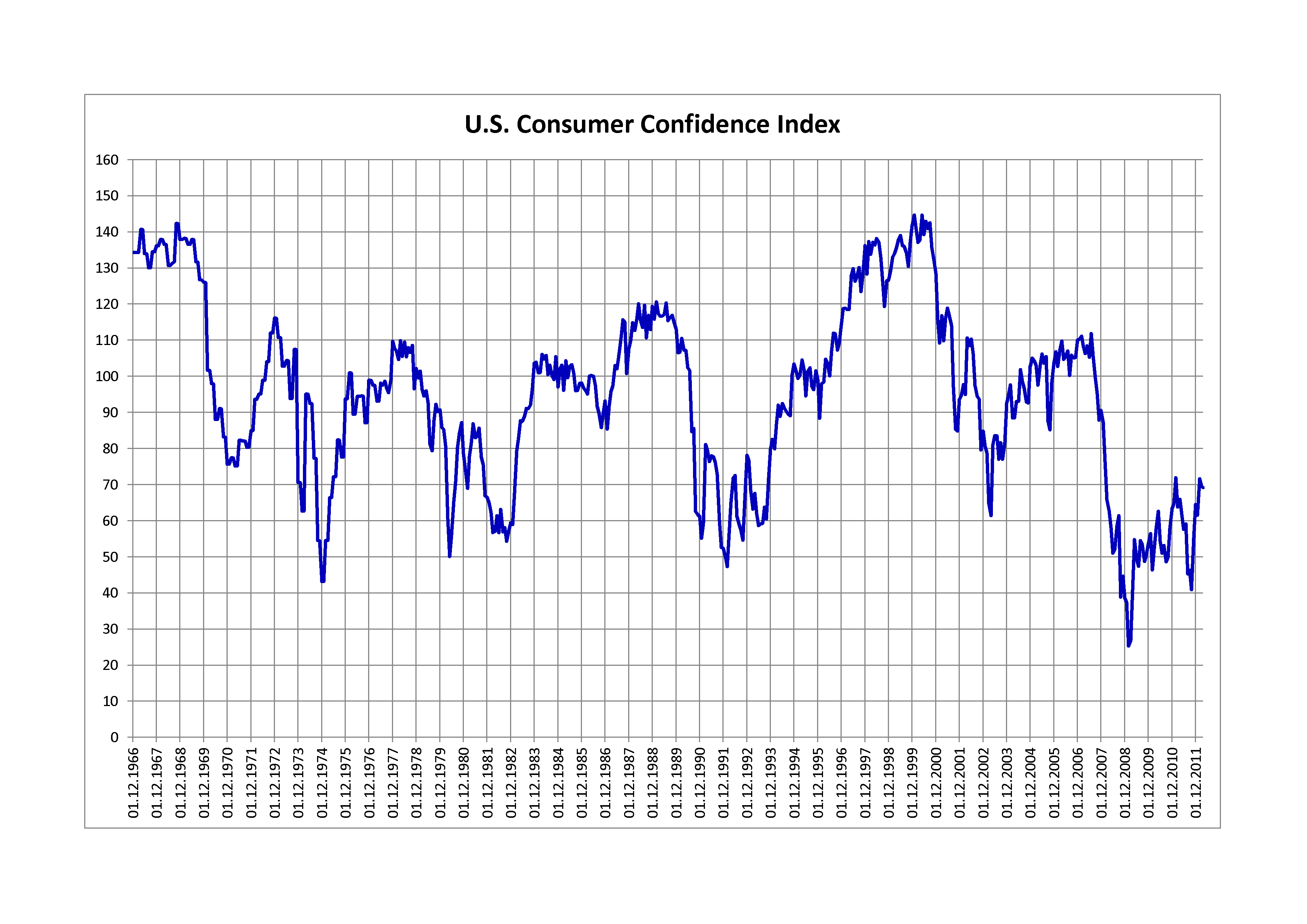
One major impact of job growth is its effect on consumer confidence. As more individuals find work, they generally have more disposable income, which can lead to increased spending. However, if job growth continues but wages remain stagnant, the benefits to consumer confidence may be minimal. This situation can result in a paradox where job growth does not translate into economic vitality.
Additionally, regional disparities in job growth can exacerbate existing economic inequalities. Areas experiencing rapid job creation may see rising costs of living, while regions with stagnant growth may struggle with unemployment and declining services. This uneven growth can create a fragmented economy, where some sectors thrive while others falter.
Finally, the connection between job growth and inflation cannot be overlooked. If jobs are growing but inflation outpaces wage increases, the real purchasing power of consumers may decline. Thus, while job growth news may appear optimistic, it is essential to analyze the broader economic indicators to fully understand its implications.
Expert Opinions on Labor Market Changes
Experts in the field of economics have weighed in on the recent trends in job growth news, highlighting concerns about the labor market’s future. According to Dr. Emily Carter, a labor economist, “The cooling job growth we are witnessing may signal deeper issues within the economy. As companies pull back on hiring, this could lead to increased unemployment rates in the coming months.”
In a recent conference, several industry analysts discussed the implications of these changes. Mark Thompson, a senior analyst at the Economic Research Institute, emphasized that “a slowdown in job growth can often precede a larger economic downturn. Businesses are becoming more cautious, which can stifle innovation and expansion.”
Additionally, Sarah Lee, a workforce development expert, pointed out that “the labor market is not just about the quantity of jobs but also the quality. We need to focus on creating sustainable job opportunities that can withstand economic fluctuations.”
In light of these expert opinions, it is clear that the recent job growth news could be a troubling sign. As analysts continue to monitor the situation, many are urging policymakers to implement strategies that support both job creation and economic stability.
- Concerns about increased unemployment rates
- Impact of cautious business hiring
- Focus on quality job creation
Future Predictions for Employment Rates
As analysts review the recent job growth news, attention turns to future predictions for employment rates. With the current slowdown in job creation and a slight uptick in unemployment, many experts are re-evaluating their forecasts for the labor market.
Several factors are contributing to a more cautious outlook:
- Economic Conditions: Ongoing inflationary pressures may lead businesses to slow hiring, creating uncertainty in the job market.
- Technological Advancements: Automation and artificial intelligence are expected to reshape many industries, potentially displacing certain jobs while creating new opportunities.
- Labor Market Dynamics: A tight labor market has made it challenging for employers to find qualified candidates, which could lead to stagnation in job growth.
Looking ahead, economists suggest a mixed bag for employment rates. Some predict a rebound as companies adjust to new economic realities, while others warn of prolonged stagnation if inflation remains uncontained. It is essential for both job seekers and employers to stay informed about these developments, as shifts in job growth can have significant implications for overall economic health.
As the job growth news continues to unfold, stakeholders across various sectors must brace for potential changes that could redefine the labor landscape in the coming months.
How Job Growth Affects Consumer Confidence
Job growth news plays a significant role in shaping consumer confidence, which is crucial for the overall health of the economy. When job growth is robust, it generally leads to greater consumer spending as individuals feel more secure in their employment and financial situations. This newfound confidence encourages households to make significant purchases, contributing to economic expansion.
Conversely, a slowdown in job growth can have the opposite effect. As the latest job growth news indicates a cooling trend, consumers may become more hesitant to spend, fearing potential job losses or economic instability. This cautious approach can lead to decreased demand for goods and services, ultimately affecting businesses and potentially resulting in a further slowdown.
Several factors influence how job growth affects consumer confidence:
- Employment Security: A stable job market fosters a sense of security among consumers.
- Wage Growth: Increases in wages can boost consumer spending as people have more disposable income.
- Economic Indicators: Positive job growth news can lead to optimism about future economic conditions.
Given the recent trends, it is essential for policymakers to monitor job growth closely, as its effects on consumer confidence can have far-reaching implications for the economy.
Government Response to Rising Unemployment
In response to the recent uptick in unemployment rates, government officials have begun to outline potential measures aimed at revitalizing job growth. The latest job growth news indicates a cooling labor market, prompting concerns about long-term economic stability.
Key strategies under consideration include:
- Increased Infrastructure Spending: Proposals are being discussed to boost federal funding for infrastructure projects, which is expected to create thousands of jobs across various sectors.
- Tax Incentives: Officials are evaluating the possibility of offering tax breaks to businesses that hire new employees, encouraging companies to expand their workforce.
- Job Training Programs: With many workers facing job displacement, enhancing job training programs to equip the unemployed with new skills is a priority. This aims to align workforce capabilities with emerging industry needs.
Additionally, policymakers are emphasizing the importance of maintaining open lines of communication with businesses and labor unions to understand the evolving needs of the economy. As job growth news continues to evolve, the government’s proactive approach will be crucial in mitigating the impacts of rising unemployment and fostering a more resilient job market.
Experts suggest that without timely intervention, the current trends could lead to a deeper economic downturn, making the government’s response critical in shaping the future of the labor landscape.
By North Charleston via Openverse