
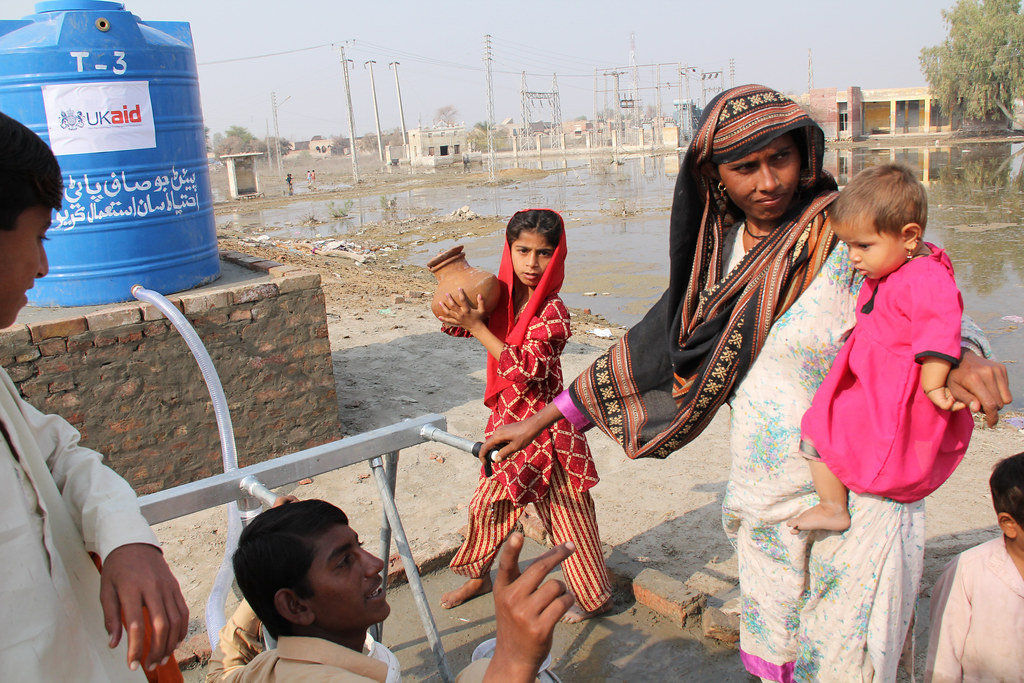

Water Crisis in Pakistan: Is This the Worst Situation Yet?
The water crisis in Pakistan is becoming increasingly severe as the country faces a 25% Rabi shortfall, threatening its wheat production. This situation is exacerbated by ongoing disputes with India over water resources.
Overview of the Water Crisis
The water crisis in Pakistan has escalated to alarming levels, raising concerns about the country’s agricultural sustainability and overall health. With a significant portion of the population dependent on agriculture, the ongoing water shortages pose a severe threat to food security.
Recent reports indicate that the country is experiencing a 25% shortfall in Rabi crops, primarily affecting wheat production. This has been exacerbated by ongoing disputes with India over water resources, further complicating the situation. The Indus River System, which is the lifeline for millions of farmers, is facing unprecedented challenges due to climate change, mismanagement, and geopolitical tensions.
Experts warn that the water crisis in Pakistan is not solely about the quantity of water available; it also pertains to the quality and accessibility of water resources. As water levels in reservoirs dwindle, the implications for agriculture, drinking water supply, and sanitation are dire.
Key factors contributing to the crisis include:
- Increased demand: Population growth and urbanization are straining existing water resources.
- Poor management: Inefficient irrigation practices lead to significant water wastage.
- Climate change: Erratic weather patterns contribute to water scarcity.
The situation calls for urgent action to address these challenges and ensure a sustainable water future for Pakistan.
Impact on Wheat Production
The ongoing water crisis in Pakistan has significantly affected agricultural productivity, particularly in wheat production, which is a staple food and a critical component of the country’s economy.
As farmers grapple with dwindling water supplies, the repercussions are being felt across the agricultural sector. Recent reports indicate a potential 25% shortfall in the Rabi crop, which includes wheat, due to the severe water shortages exacerbated by disputes over water distribution with India.
The lack of sufficient irrigation water has forced many farmers to abandon their fields or reduce the area they cultivate. This not only threatens food security but also poses significant economic challenges for rural communities that rely heavily on wheat as their primary source of income.
To illustrate the impact, here are some key factors:
- Reduced Crop Yields: With inadequate water supply, wheat yields are expected to decline, affecting overall production levels.
- Increased Prices: A shortfall in wheat production could lead to rising prices, compounding the challenges faced by consumers.
- Job Losses: Many agricultural laborers may lose their jobs if farms reduce their operations due to insufficient water.
As the water crisis in Pakistan continues, the implications for wheat production remain dire, highlighting the urgent need for effective water management strategies.
Historical Context of Water Disputes
The water crisis in Pakistan has deep historical roots, characterized by long-standing disputes over water resources, particularly with neighboring India. The Indus River System, which serves as the primary water source for Pakistan, has been a focal point of contention since the partition of British India in 1947. The 1960 Indus Waters Treaty aimed to resolve these disputes by allocating river waters between the two countries, but compliance has been inconsistent, leading to ongoing tensions.
Over the decades, Pakistan’s reliance on the Indus and its tributaries has grown, yet management of these vital resources has been fraught with challenges. Factors such as climate change, population growth, and mismanagement have exacerbated the already strained water supply. The annual monsoon patterns, once predictable, have become erratic, impacting water availability for agriculture and drinking.
In the context of rising tensions with India, the situation has become even more precarious. Pakistan’s agricultural sector, particularly wheat production, has faced severe setbacks due to a 25% Rabi shortfall. This shortfall not only threatens food security but also intensifies the urgency to address the water crisis in Pakistan. Without effective management and cooperation between the two nations, the looming water crisis may reach unprecedented levels, posing grave risks to the nation’s economy and social stability.
Government Response to the Crisis
The government of Pakistan is facing increasing pressure to address the ongoing water crisis in Pakistan, which has reached alarming levels. In response, officials have outlined a series of measures aimed at mitigating the impact of the crisis on agriculture and daily life.
Key elements of the government’s response include:
- Emergency Water Management Plans: Authorities have implemented emergency protocols to optimize water usage, particularly in the agricultural sector, which is heavily reliant on consistent water supply.
- Investment in Infrastructure: Plans are underway to enhance water storage facilities and improve irrigation systems, which are crucial for efficient water distribution.
- Public Awareness Campaigns: The government is launching initiatives to educate citizens about water conservation techniques, stressing the importance of reducing wastage.
- International Collaboration: Efforts to engage with international bodies for technical assistance and investment are being prioritized, especially in light of ongoing disputes over water resources with neighboring countries.
Despite these measures, many experts believe that the government’s response has been slow and inadequate given the severity of the crisis. As water shortages threaten food security and economic stability, there is a growing call for more immediate and effective action to combat the dire situation facing the nation.
International Reactions
The ongoing water crisis in Pakistan has attracted significant international attention, prompting reactions from various global organizations and foreign governments. Concerns have been raised regarding the humanitarian impact of the severe water shortage, especially in light of the recent 25% Rabi shortfall threatening wheat production.
International agencies, such as the United Nations, have called for immediate action to address the water crisis in Pakistan, emphasizing the need for sustainable water management practices. They have highlighted the potential for increased food insecurity if the situation does not improve, with millions of people at risk of malnutrition.
Countries neighboring Pakistan have also expressed their apprehensions. India, involved in ongoing water disputes with Pakistan, has been urged to engage in dialogues to discuss equitable water sharing. Experts warn that escalating tensions may exacerbate the crisis further.
Furthermore, international NGOs are mobilizing resources to assist affected communities. They are focusing on raising awareness about water conservation and providing alternative solutions to mitigate the impacts of the crisis.
As the situation unfolds, the international community continues to monitor the developments closely, stressing the importance of collaboration and urgent action to combat the water crisis in Pakistan. The stakes are high, and the need for a comprehensive strategy to manage water resources has never been more critical.
Future Projections
As the water crisis in Pakistan escalates, projections for the future paint a grim picture for the nation’s water security. With current consumption rates surpassing sustainable levels, experts warn that the situation could worsen significantly in the coming years.
Climate change, mismanagement of resources, and ongoing disputes with neighboring countries further complicate the crisis. The following factors are critical to understanding the potential trajectory of this issue:
- Decreasing Water Availability: Studies suggest that freshwater resources in Pakistan could decline by over 20% in the next decade, exacerbating the existing crisis.
- Population Growth: With a rapidly increasing population, the demand for water is expected to rise sharply, placing further strain on already limited resources.
- Agricultural Challenges: The ongoing water crisis threatens not only wheat production but also other essential crops, leading to food insecurity and economic instability.
- Infrastructure Needs: Lack of investment in water infrastructure and management systems may hinder effective responses to mitigate the crisis.
As the government grapples with these challenges, the future of Pakistan’s water supply depends on urgent and coordinated actions. Failure to address these issues could lead to a severe humanitarian crisis, impacting millions across the country.
Local Farmers’ Perspectives
Local farmers in Pakistan are feeling the brunt of the ongoing water crisis in Pakistan, voicing deep concerns over their livelihoods and the country’s agricultural future. Many are struggling to cope with diminishing water supplies, which have been exacerbated by the ongoing disputes with India and changing climate conditions.
Farmers from various regions have shared their experiences:
- Ali Khan, a wheat farmer from Sindh, stated, “We have never experienced such a severe shortage. Our crops are suffering, and the government seems to be doing little to help us.”
- Fatima Bibi, who cultivates rice in Punjab, expressed her worries, saying, “Without sufficient water, we cannot produce enough food for our families or the market. This crisis is threatening our very existence.”
- Imran Shah, a farmer in Balochistan, noted, “I have had to rely on expensive water tankers to sustain my crops. This is not sustainable, and we need urgent solutions.”
Farmers are calling on the government for immediate action, advocating for better water management practices and investment in sustainable irrigation systems. They emphasize that the local agricultural economy is at stake, with the potential for widespread food insecurity if the current water crisis is not addressed effectively.
The ongoing water crisis in Pakistan has reached alarming levels, affecting millions of lives across the nation. As experts analyze the situation, many are questioning whether this is indeed the worst water crisis in Pakistan to date.
By DFID – UK Department for International Development via Openverse