
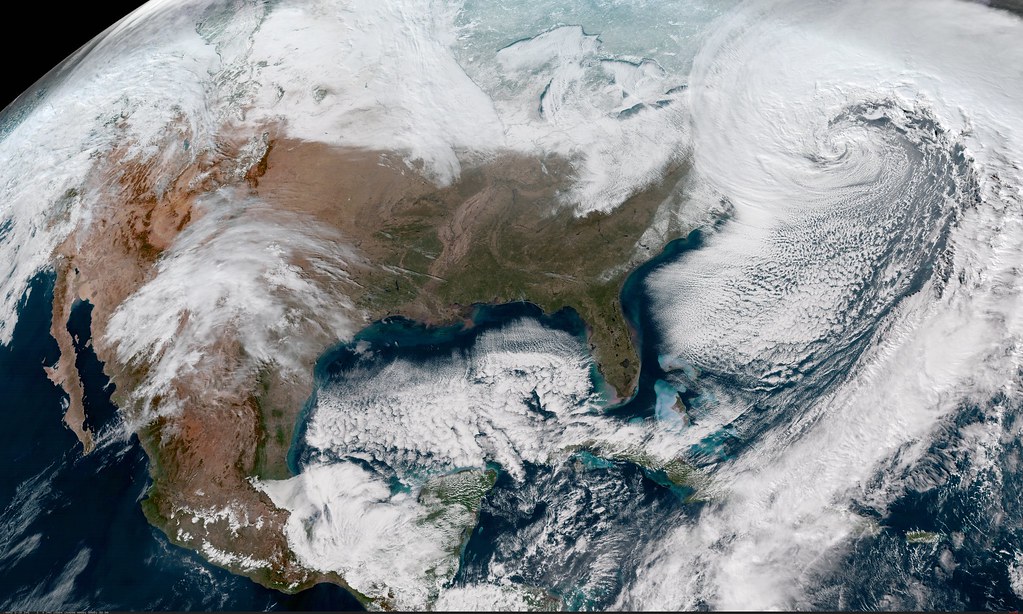

Nor’easter Flooding Winds: Worst Weather Threats Explained
nor’easter flooding winds are causing major concerns for the East Coast as severe weather looms. Residents should prepare for potential flooding and damaging winds.
What is a Nor’easter?
A nor’easter is a powerful storm that typically affects the northeastern United States, bringing heavy precipitation and strong winds. These storms form when moist air from the Atlantic Ocean collides with cold air from the north, leading to significant weather disturbances. As a result, nor’easters can produce various weather phenomena, including blizzards, heavy rain, and coastal flooding.
One of the most dangerous aspects of a nor’easter is the potential for flooding, particularly in coastal areas. With the combination of heavy rainfall and high winds, the risk of storm surges increases, which can lead to severe flooding and erosion. The winds associated with these storms can also reach hurricane strength, causing additional damage to structures and power lines.
During a nor’easter, residents are advised to stay informed about weather updates and prepare for potential power outages and flooding. It is essential to have an emergency plan in place, as nor’easter flooding winds can create hazardous conditions that last for several days.
Impact of Flooding on Communities
The impact of flooding on communities during a nor’easter can be devastating. As heavy rains combine with strong winds, many areas face significant risks that can disrupt daily life. The following are key aspects of how flooding affects communities:
- Infrastructure Damage: Roads, bridges, and public transportation systems often suffer severe damage, leading to lengthy repairs and increased costs for local governments.
- Displacement: Severe flooding can force residents to evacuate their homes, leading to temporary shelters and long-term housing challenges.
- Health Risks: Floodwaters can carry contaminants and pose health hazards, contributing to disease outbreaks and waterborne illnesses.
- Economic Impact: Local businesses may face closures due to damage and loss of inventory, affecting the economy and employment in the area.
- Emergency Response: First responders and emergency services are stretched thin, as they work to assist those affected while managing ongoing threats from nor’easter flooding winds.
Understanding these impacts can help communities better prepare for future storms.
Safety Tips for Severe Weather
As the nor’easter brings severe weather threats, including significant flooding and damaging winds, it is vital to prioritize safety. Here are some essential tips to stay safe during such weather events:
- Stay Informed: Monitor local news and weather updates for the latest information on the nor’easter and its impact on your area.
- Prepare an Emergency Kit: Ensure you have essential supplies, such as water, non-perishable food, flashlights, batteries, and medications.
- Secure Loose Items: Bring in or secure any outdoor furniture, decorations, or equipment that could become projectiles in strong winds.
- Evacuate if Necessary: Follow local authorities’ advice and evacuate if you are in a flood-prone area or if directed to do so.
- Stay Indoors: During the storm, stay indoors and away from windows to protect yourself from flying debris.
By following these safety tips, you can better navigate the challenges posed by nor’easter flooding winds and ensure your well-being during severe weather conditions.
Forecast for the East Coast
As the nor’easter makes its way along the East Coast, forecasters are warning of significant impacts from flooding and damaging winds. The storm is expected to bring heavy precipitation, with some areas receiving up to four inches of rain, exacerbating flooding concerns in low-lying regions.
The combination of strong winds and heavy rainfall could lead to downed trees and power lines, leaving thousands without electricity. Emergency management officials urge residents to remain vigilant and prepare for the worst.
Key areas that may face the brunt of the storm include:
- New Jersey: Coastal towns are particularly at risk for severe flooding.
- New York: High winds may create dangerous conditions in urban environments.
- Massachusetts: Expected rainfall could overwhelm drainage systems.
Residents are advised to stay tuned to local weather updates and heed any evacuation orders. The nor’easter flooding winds pose a serious threat, making preparedness essential for safety.
Historical Context of Nor’easters
Nor’easters have long been a significant weather phenomenon along the East Coast, bringing with them a mix of severe conditions, including heavy snowfall, rain, and strong winds. Historically, these storms form when cold air from Canada collides with warm, moist air from the Atlantic Ocean, creating a potent system capable of causing widespread damage.
One of the most alarming aspects of these storms is the potential for flooding, particularly in coastal areas. The combination of heavy rain and strong winds can lead to significant water accumulation and dangerous coastal surges. Over the years, communities have faced devastating impacts from nor’easter flooding winds, leading to extensive property damage and displacement.
For instance, the infamous nor’easter of March 1993, known as the “Storm of the Century,” left a lasting mark with its record-setting impacts. As climate change continues to influence weather patterns, the frequency and intensity of nor’easters may increase, raising concerns for future storms and their potential to wreak havoc on vulnerable areas.
How to Prepare for Major Storms
Preparing for a major storm like a nor’easter involves several crucial steps to ensure safety and minimize damage. Here are some essential tips:
- Stay Informed: Regularly check reliable weather sources for updates on the storm’s track and intensity.
- Create an Emergency Kit: Assemble supplies such as water, non-perishable food, medications, flashlights, batteries, and a first aid kit.
- Secure Property: Trim trees and secure outdoor furniture to prevent them from becoming projectiles in high winds.
- Know Your Evacuation Routes: Familiarize yourself with local evacuation plans and have a route in mind in case you need to leave.
- Protect Important Documents: Store essential documents in a waterproof container and back up digital files.
- Plan for Flooding: If you live in a flood-prone area, consider elevating utilities and using sandbags to redirect water.
By taking these precautions, you can better navigate the challenges posed by nor’easter flooding winds and ensure the safety of your family and property.
The impact of nor’easter flooding winds can be devastating, leading to significant damage to homes and infrastructure. Understanding how to prepare for nor’easter flooding winds is crucial for residents in affected areas.
By NASA Goddard Photo and Video via Openverse